Next
asd
.
qwe
ZWA is committed to upholding Te Tiriti o Waitangi and He Whakaputanga o te Rangatiratanga o Nu Tireni. We believe that supporting Indigenous self-determination and kaitiakitanga are essential to addressing the root causes of the waste and climate crises and to building a truly just and regenerative zero-waste future. We understand that the waste and […]
Container Return Scheme
October 6, 2026
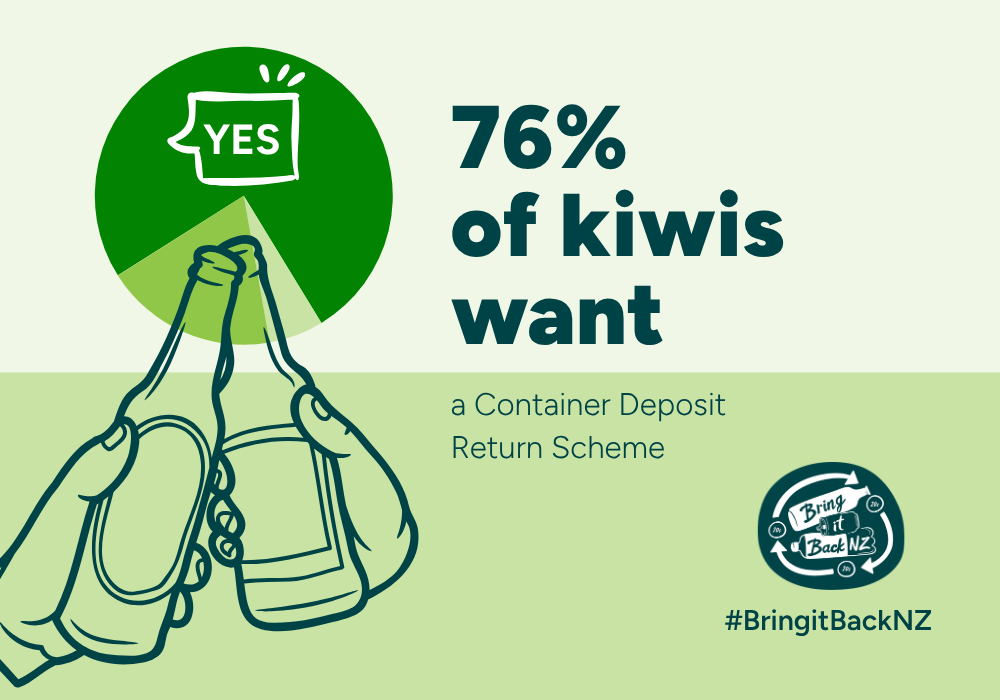
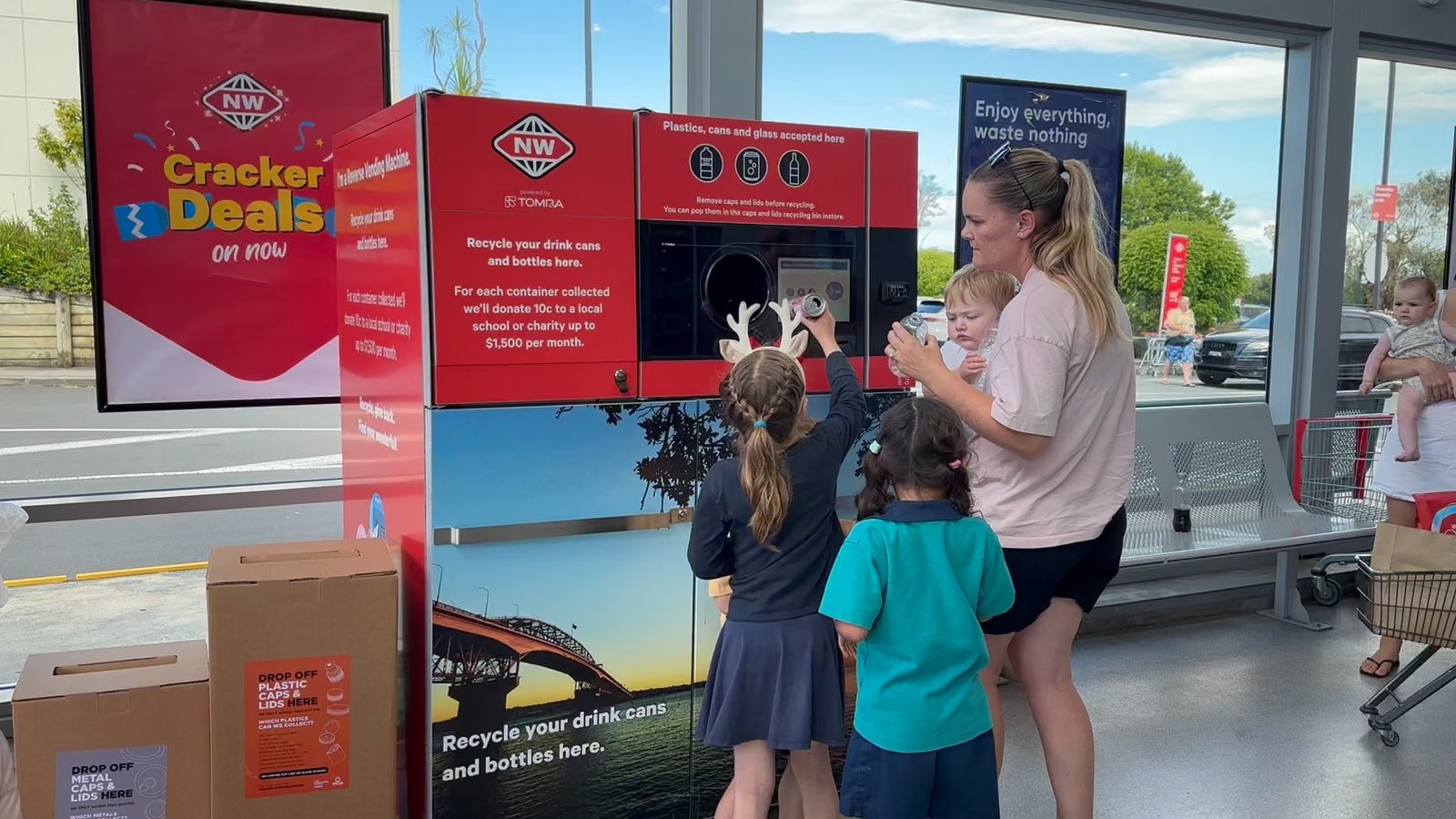
Container deposit return schemes are more popular than ever. 36 countries have take back schemes in place already, by 2027 there will be at least 40.
Establishing a container deposit return scheme for empty drink bottles, cans and cartons is an achievable goal for our government. Schemes are already being used in 37 countries to reuse and recycle more drink containers and cut waste, litter and emissions.
Incinerator-free NZ
October 5, 2026
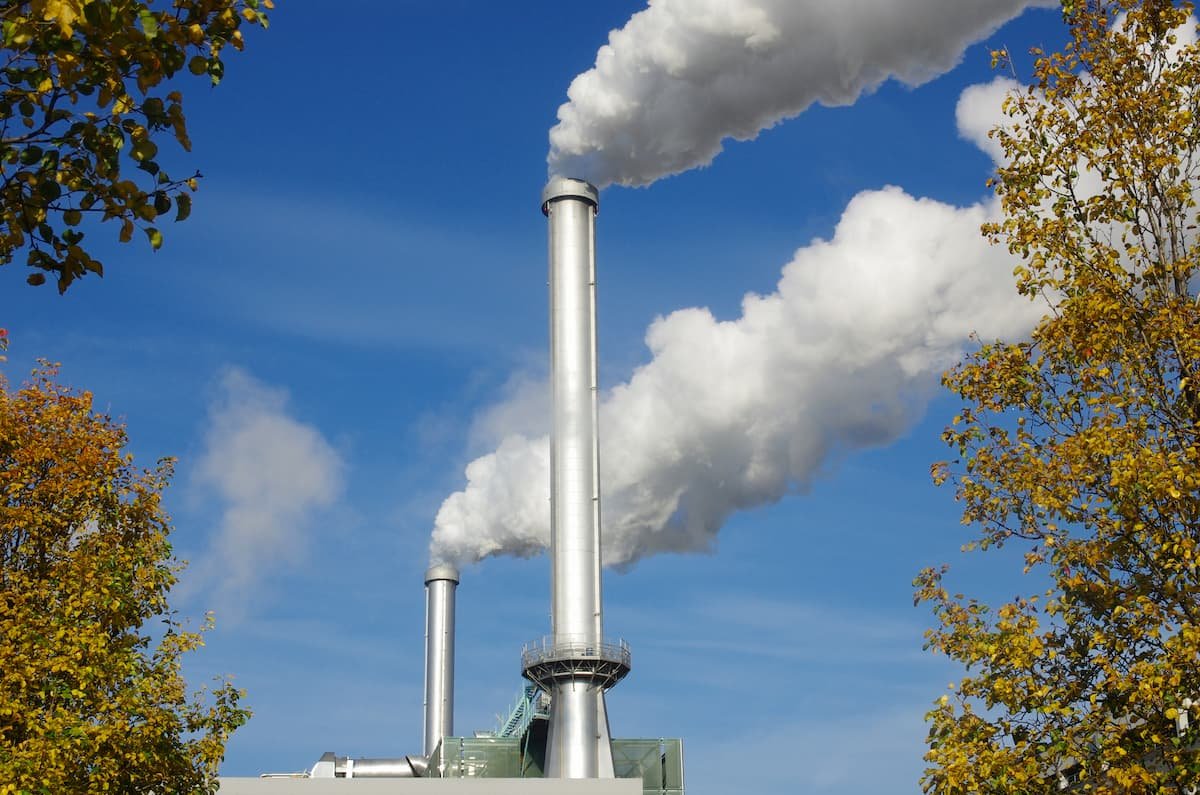
Zero Waste Aotearoa is alarmed and disappointed by a recent Environment Court decision, which found a facility for burning plastic waste in Whangārei does not need a consent to discharge potentially toxic air pollution.
Reuse
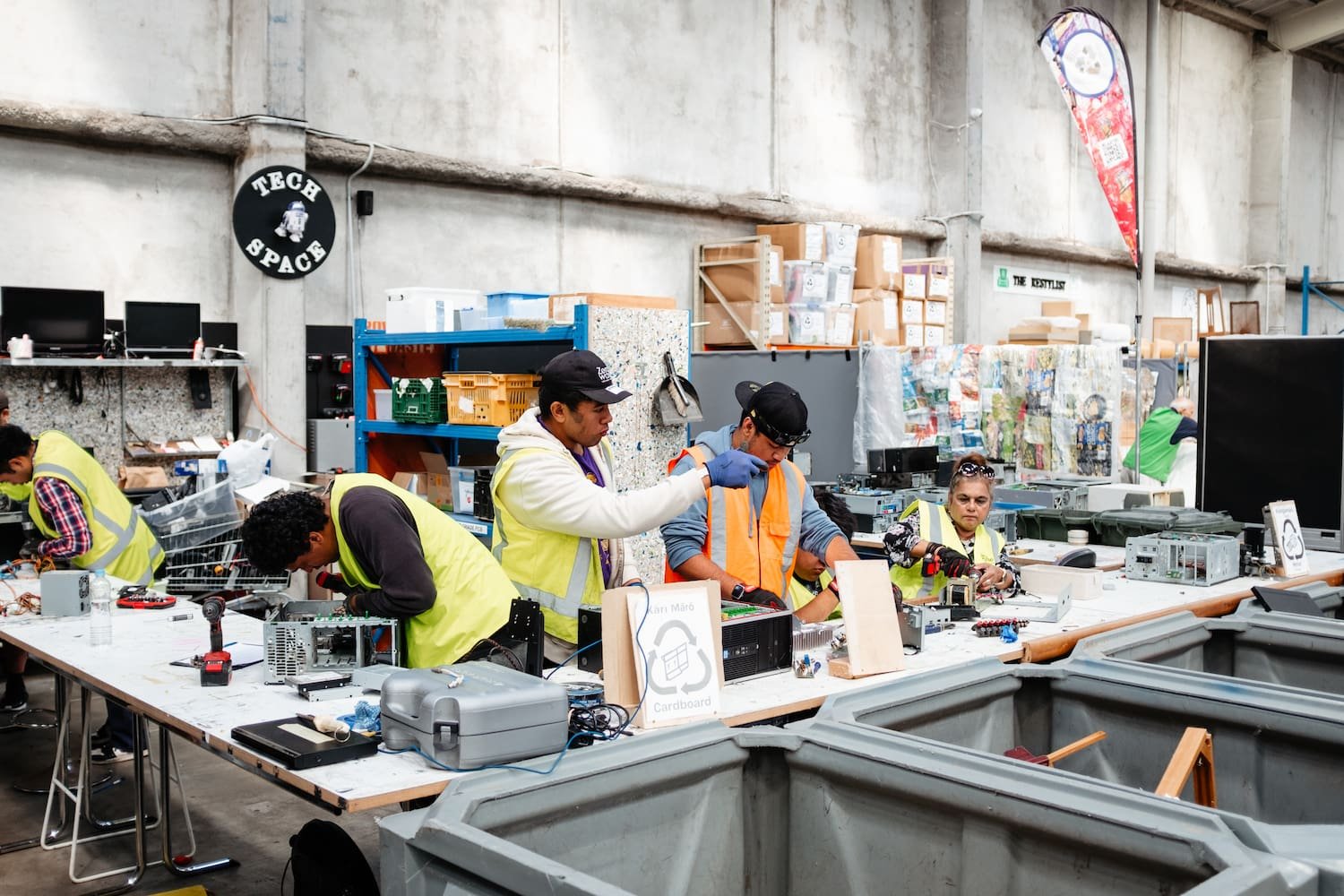
This new report outlining the impacts of reusable packaging in the grocery sector got me thinking about how grocery shopping has radically changed in my lifetime.
Product Stewardship
October 3, 2026
Around the world, the question of producers taking responsibility for the impacts of their packaging has shifted from a debate on ‘whether to regulate’ to practical action on ‘when and how to regulate’.
More council support for reusing, repairing and sharing is needed in the capital.
October 2, 2026
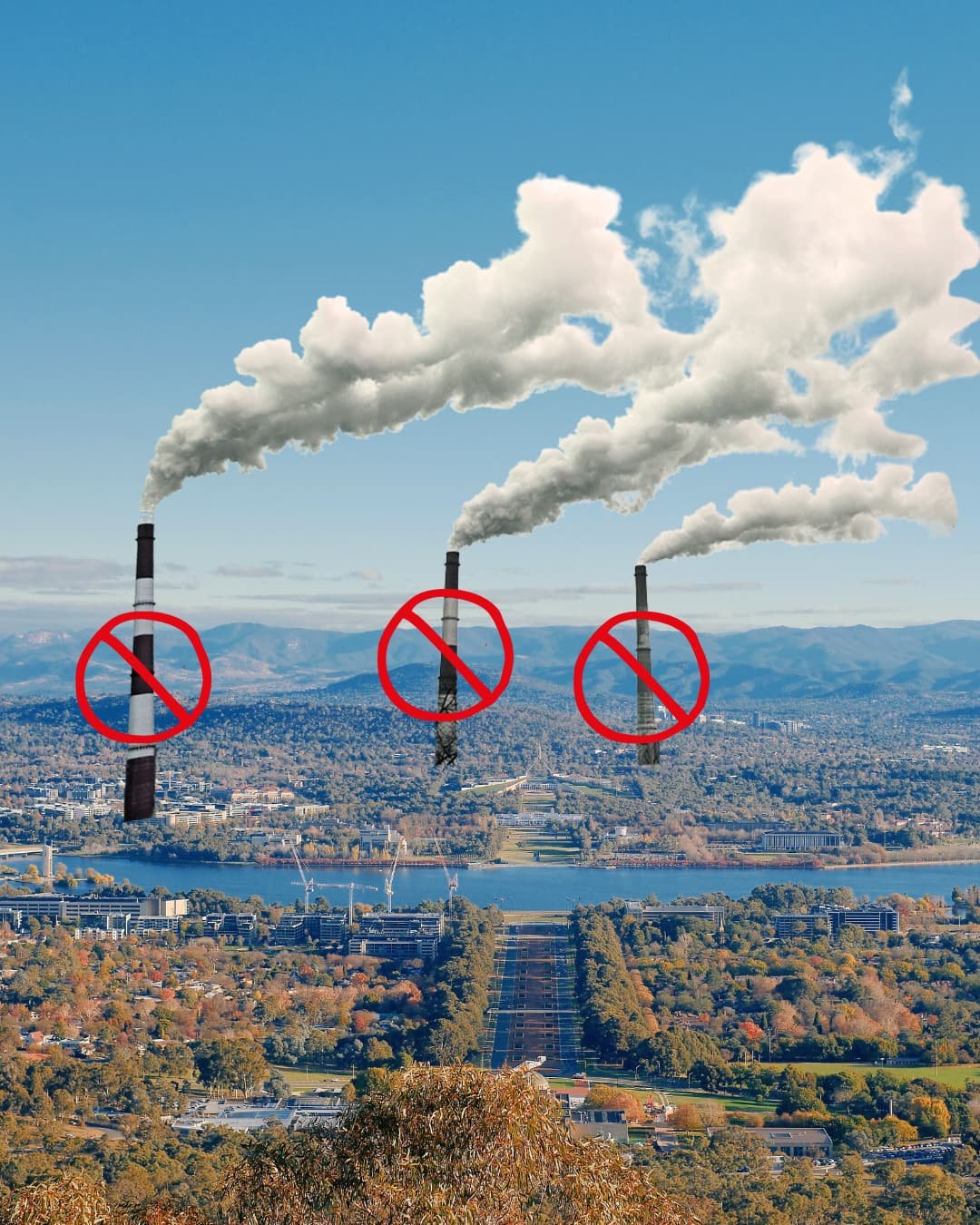
It's been confirmed that a moratorium on waste incineration will remain in place indefinitely in the Australian Capital Territory around Canberra.
System Change
It feels like our whole sector is paralysed. The story is that we can’t make any progress with reducing waste because it might cost some money and have an impact on cost of living.
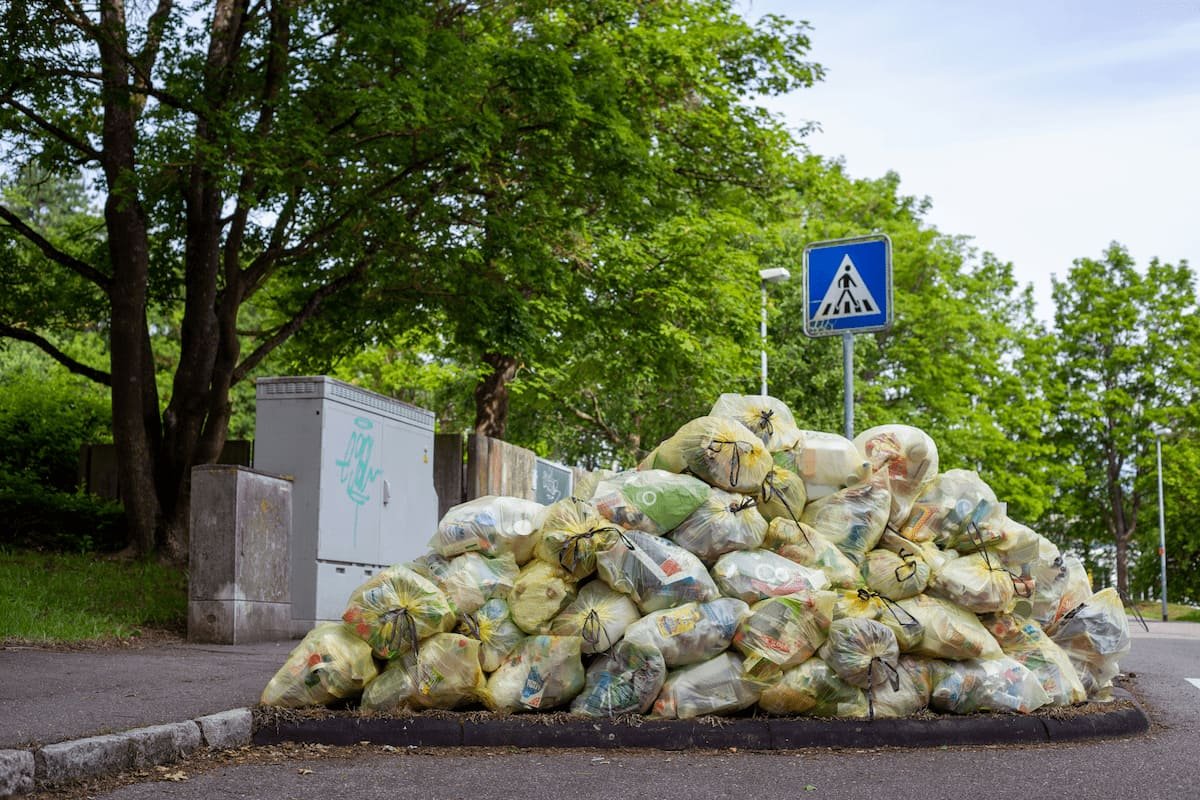
Aotearoa New Zealand’s approach to using resources and energy to meet our needs and wants is stuck on a take-make-waste path. This ‘end of the pipe’ approach treats the materials and products that flow through our extractive, linear economy as if they’re rubbish. We bury or burn ‘waste’ to make it ‘go away’.