Zero waste is…
There’s a great question at the heart of zero waste thinking.
What do we need to do, to be a household, a business, a community or a country that cuts waste and pollution? People and organisations across Aotearoa are finding practical ways to answer it.
Practical action to reduce waste, pollution and emissions
Zero waste is about finding different ways to have the goods and services we need. Waste and pollution impact our environment, our climate and our health. This occurs at every stage in the life cycle of products and packaging - extraction, production, transport, use, recycling and disposal.
Zero waste and circular economy are ways of describing how our economy can produce things for us that are designed to be safely reused, repaired, recycled or composted.
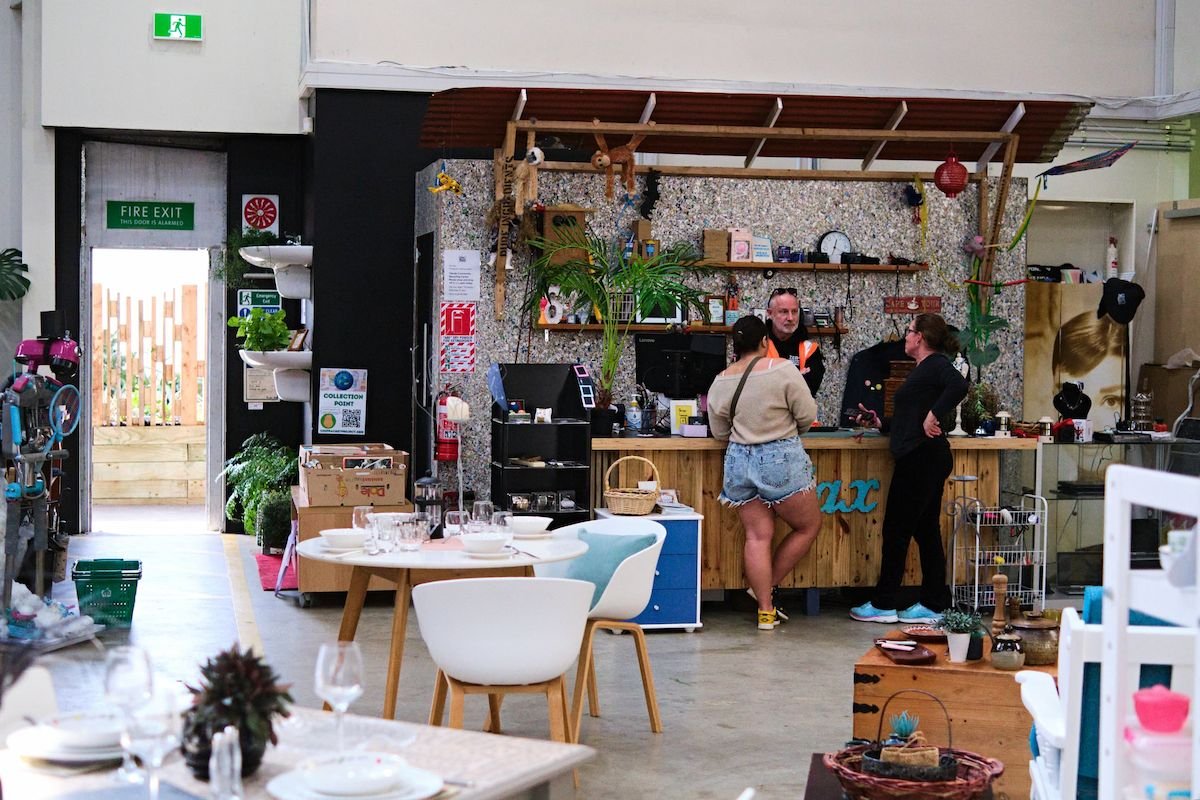
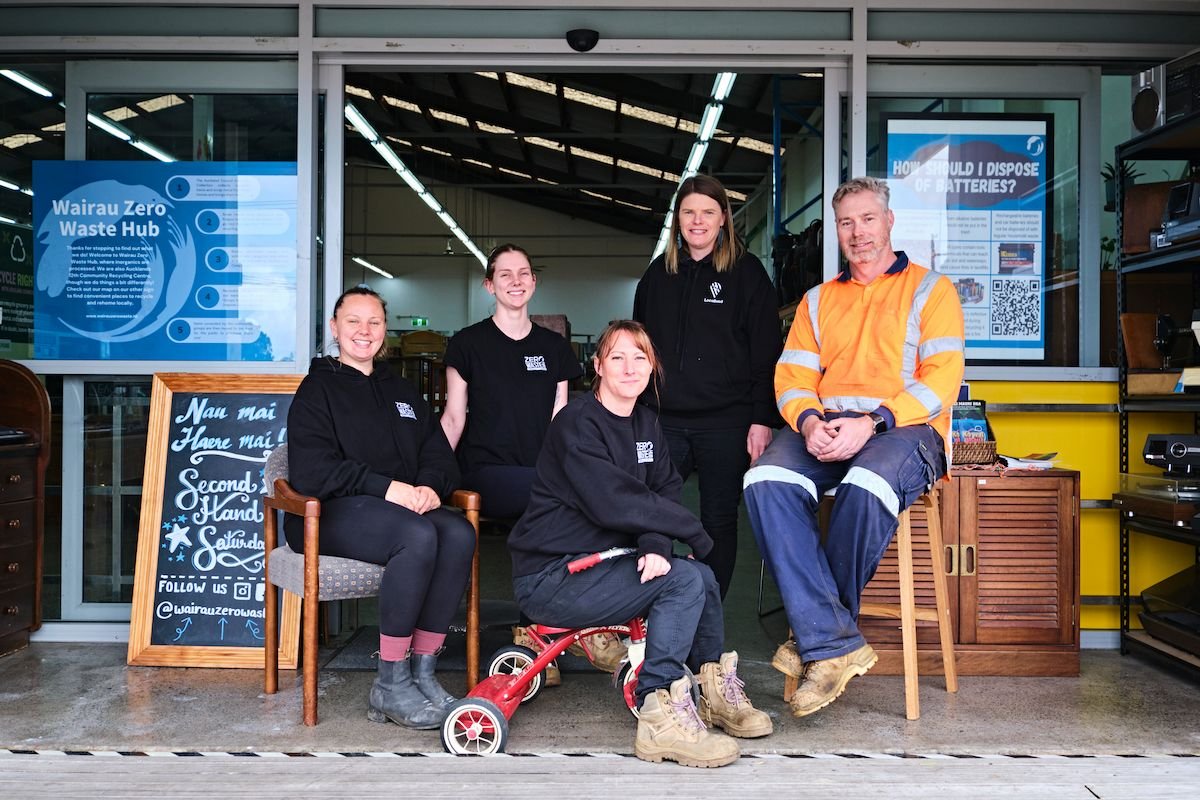
Across Aotearoa there are thousands of people and organisations working hard to prevent and reduce waste. This could include your local repair shop, reuse and recycling centre, composting at a marae, single-use, cup-free cafes and events. Many councils and big businesses are getting on board too.
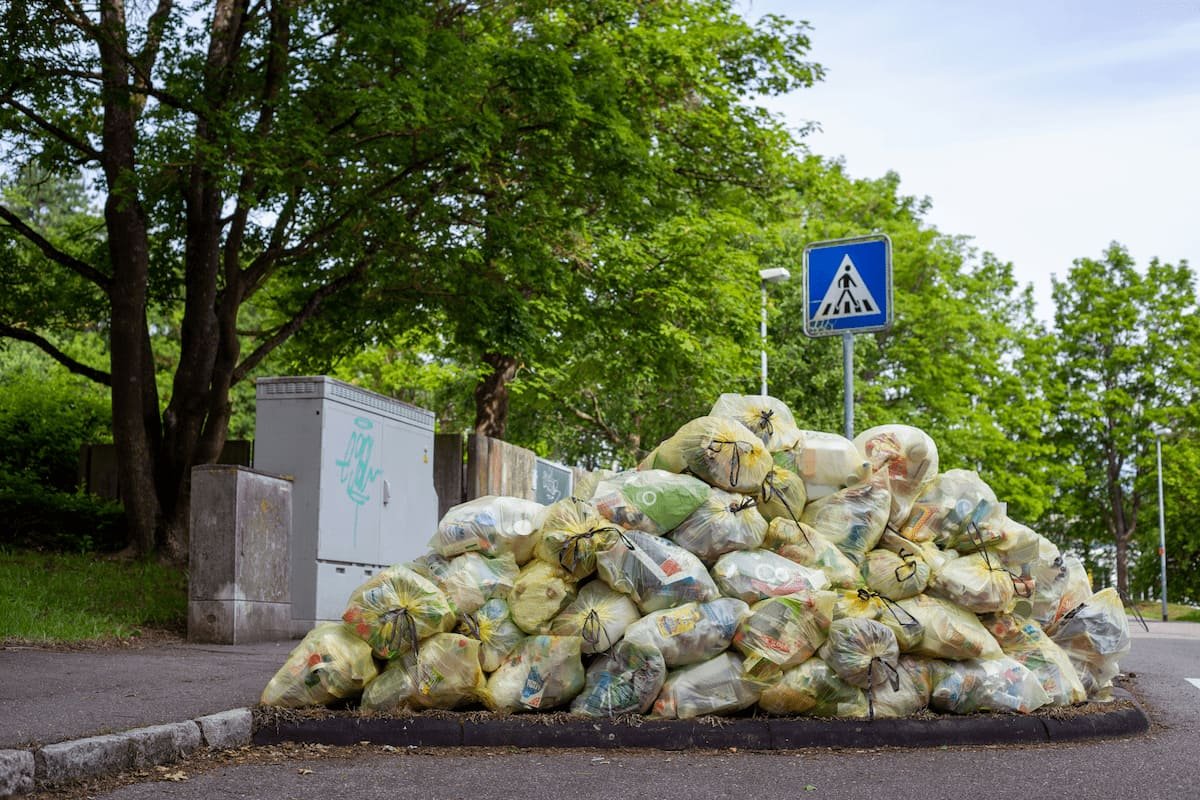
We still have a long way to go. Every year, companies pull more resources out of our environment and into the global economy. Most of the things they make are on a one way trip to landfills or incinerators. This linear, ‘take-make-waste’ approach depletes resources and creates too many greenhouse gas emissions.
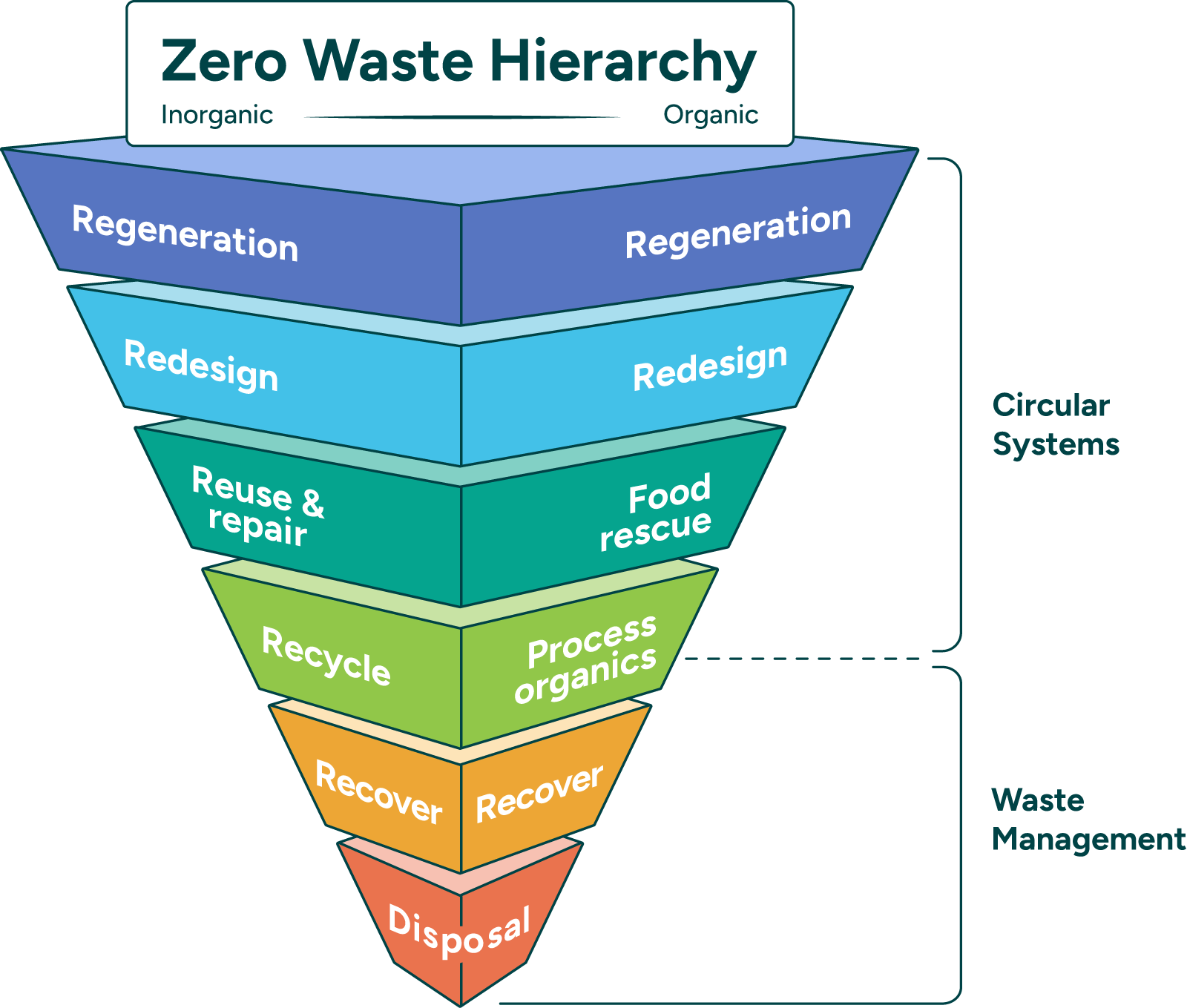
Zero waste hierarchy
The waste hierarchy illustrates how actions at the top make the biggest difference to reduce waste, pollution and emissions. Activities at the bottom keep us stuck in a wasteful linear economy.
In a zero waste world, everything we do at home and at work would help regenerate natural systems. At the very least, we’d do no harm to ecosystems or human health. Companies would design waste, pollution and greenhouse gas emissions out of their supply chains and business models. Unnecessary, unsafe products and packaging wouldn’t be made in the first place.
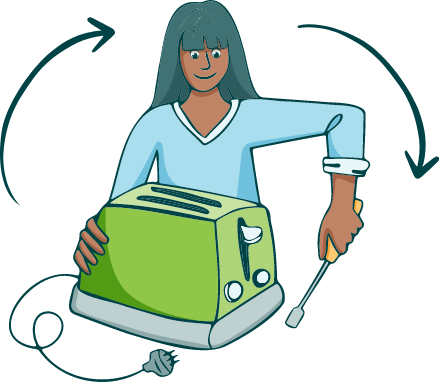
Reuse and repair keeps products, packaging and materials would be kept in circulation for as long as possible. Recycling would be a last resort, once something has been used many times. We would compost unavoidable food and garden waste to return to soil.
When we throw things away, the materials and energy embodied in products and packaging leak out of our economy. Landfilling, incineration and turning waste into fuel destroy resources and release greenhouse gases. So they can’t be called ‘circular’.
Looking for real stories and local projects?


Find your local projects and get involved!
There’s a nationwide network of local organisations that work towards zero waste with their communities.
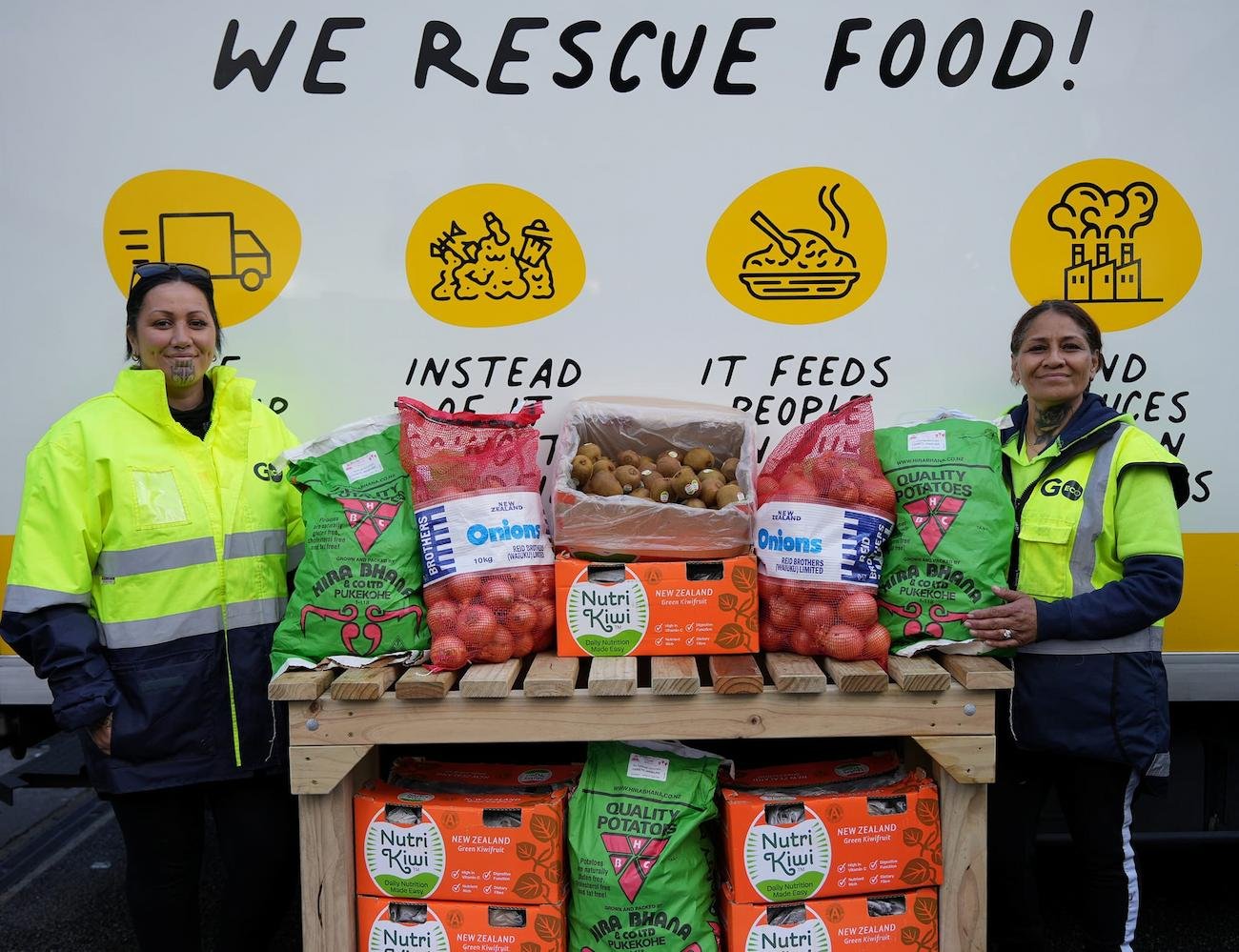
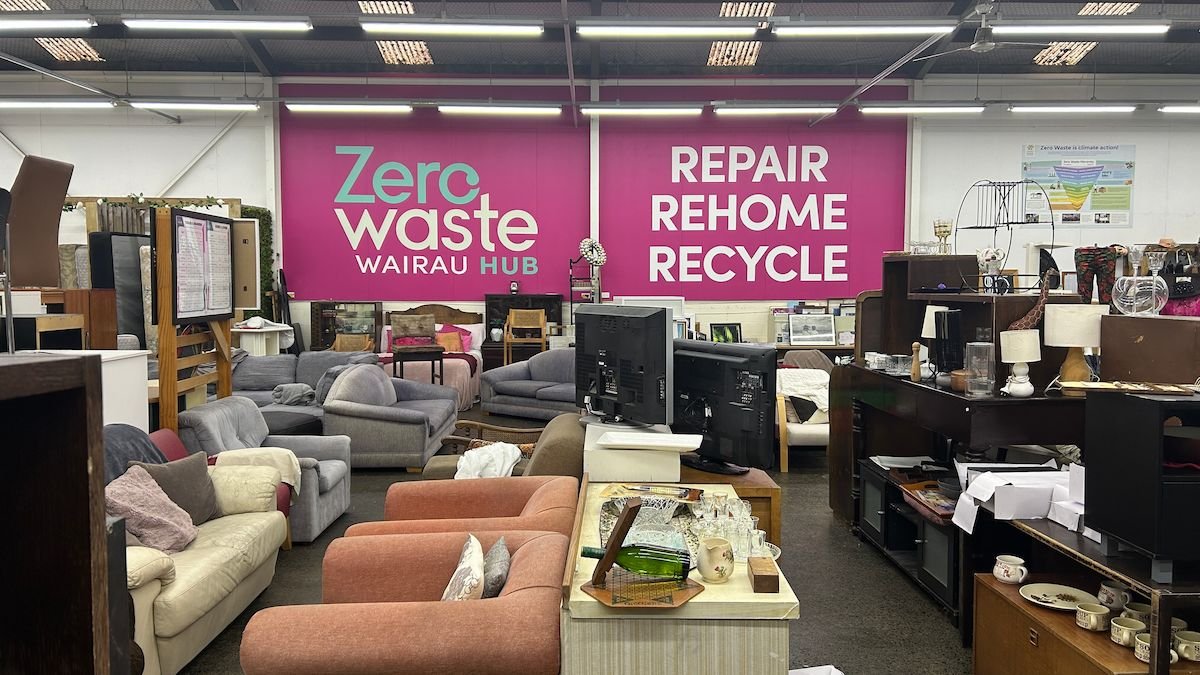
They run reuse and recycling centres, repair cafes, kai/food rescue, compost systems, deconstruction projects and share advice. They create jobs, support their local economies and bring people together to volunteer, doing things they enjoy and want to share with others.
Find your local projects and get involved!
There’s a nationwide network of local organisations that work towards zero waste with their communities.
They run reuse and recycling centres, repair cafes, kai/food rescue, compost systems, deconstruction projects and share advice. They create jobs, support their local economies and bring people together to volunteer, doing things they enjoy and want to share with others.
Find your local projects and get involved!
There’s a nationwide network of local organisations that work towards zero waste with their communities.
They run reuse and recycling centres, repair cafes, kai/food rescue, compost systems, deconstruction projects and share advice. They create jobs, support their local economies and bring people together to volunteer, doing things they enjoy and want to share with others.