Community enterprises are the vanguard of the emerging circular economy
There are a large number of existing organisations already working on practical service delivery and behaviour change projects that could expand and replicate. The operating model is generally collaborative with open source sharing and learning by doing. They are piloting innovative systems, processes, tools, techniques and behaviour change programmes.
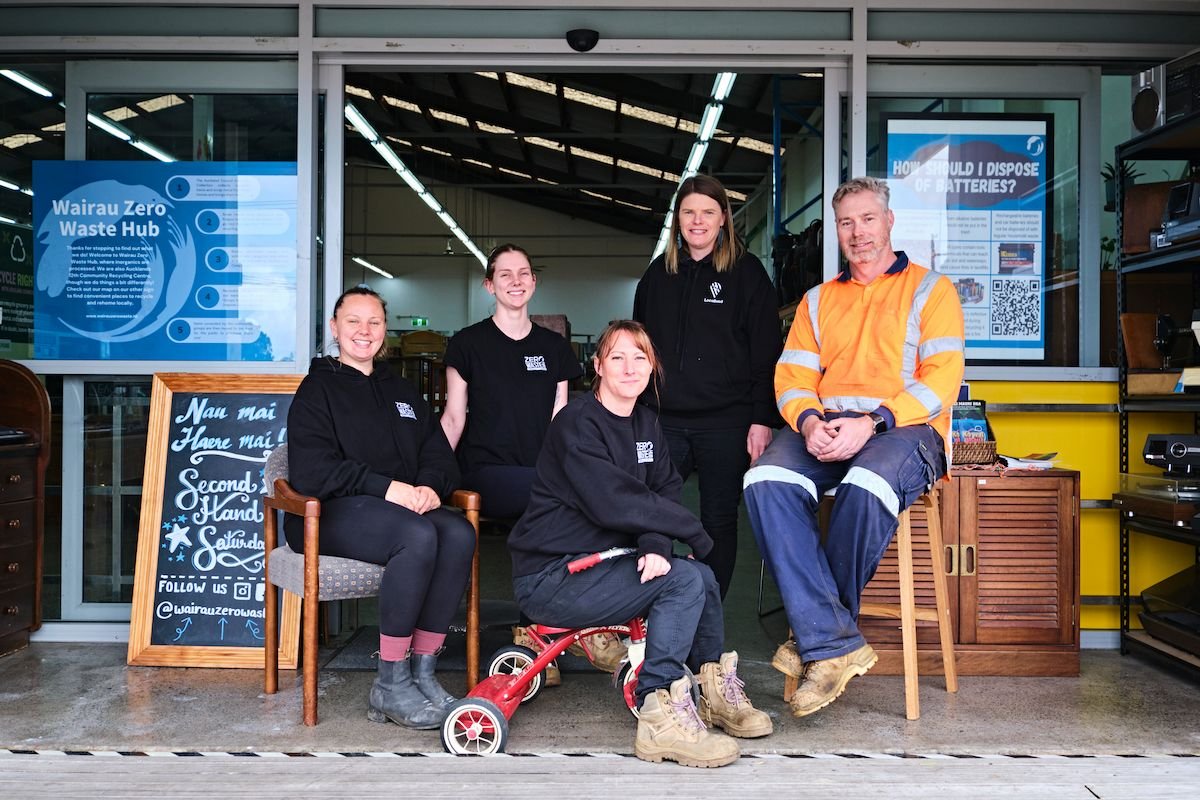
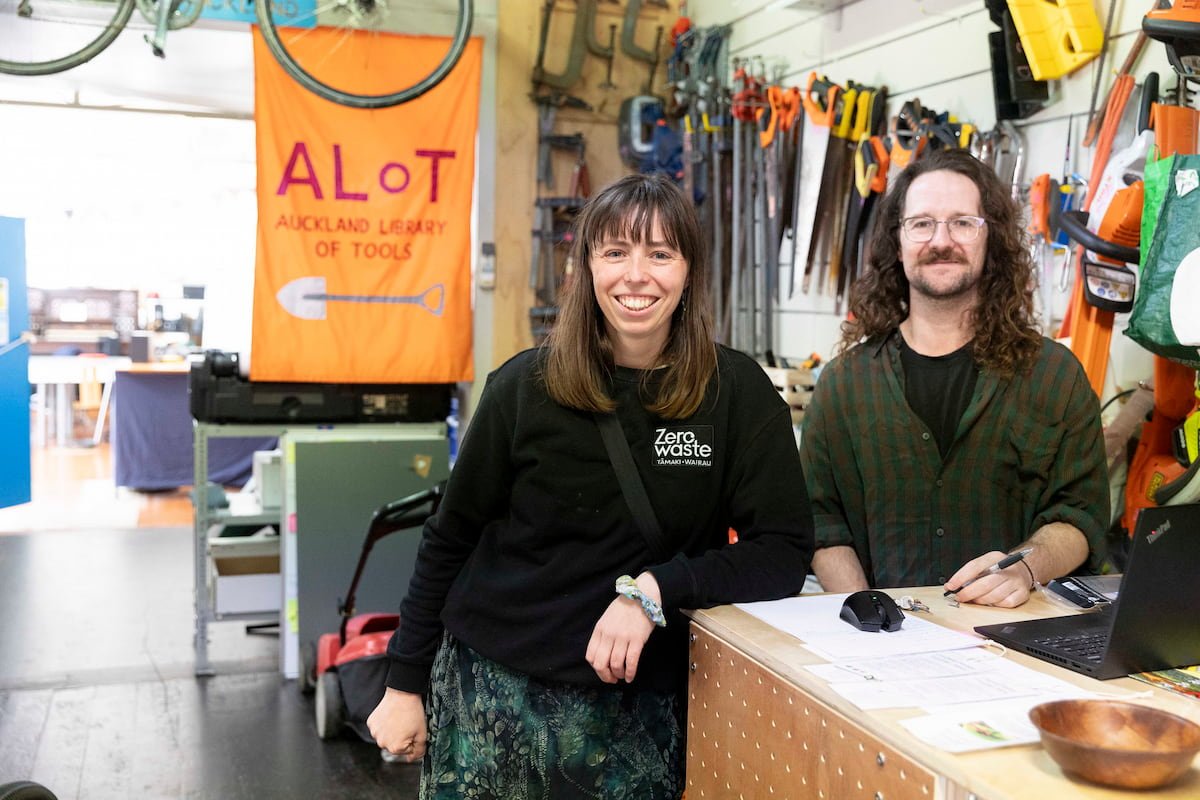
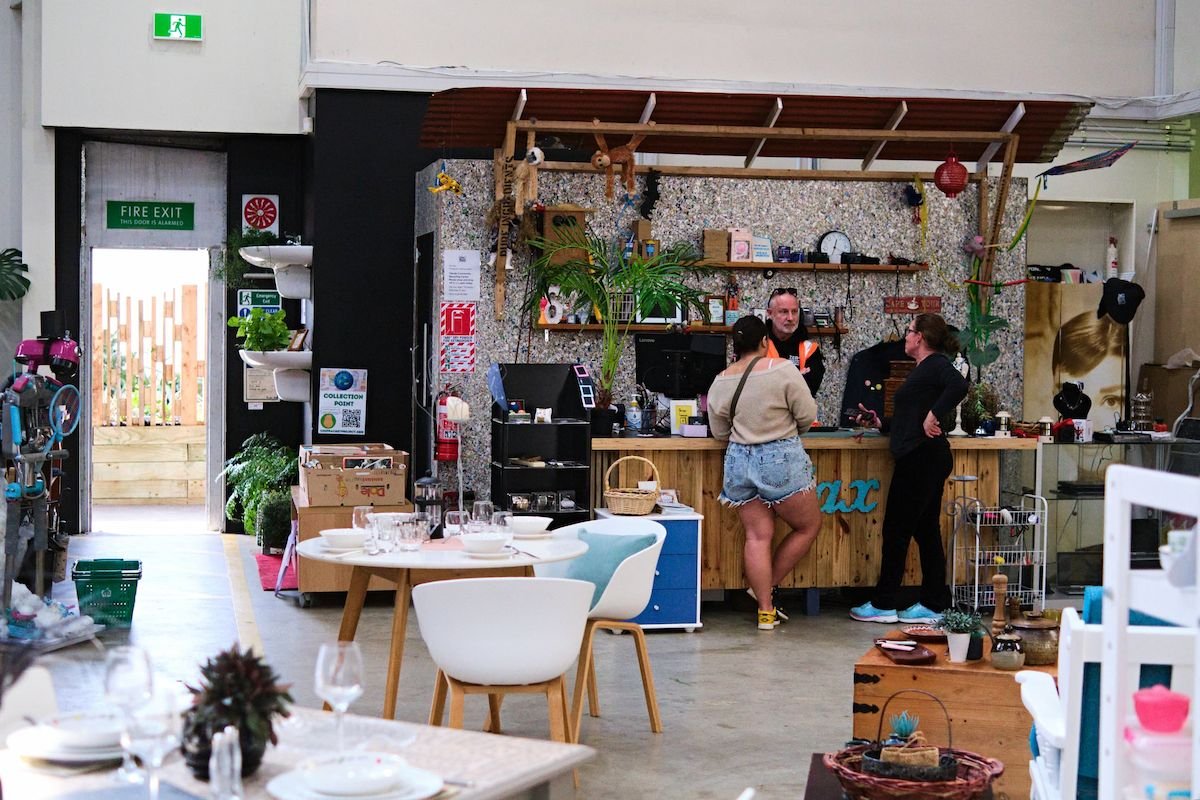
There is demand from local authorities to establish Zero Waste Hubs which are based on the successful Community Recycling Centre Model that has been developed around the country over the last 30 years. These Zero Waste Hubs combine reuse, repair, recycling, composting, product takeback, behaviour change and community engagement.
Local authorities often have sites but they need support to explore new models for procurement and partnership in this space. Once contracts are let they are often locked in for 10+ years so putting operators in place that will support the circular economy transition is critical.
Empowering and resourcing local scale enterprises and projects helps communities to adapt to climate change by building capacity and resilience through local scale action on:
- food production and composting
- reuse, refill, repair and closed-loop recycling including Zero Waste Hubs (CRC’s)
- behaviour change, engagement and education work.
A key role for the government and larger councils in the circular economy space is to support and enable work that is already happening on the ground. This is in line with Economist Mariana Mazzucato’s concept of “building a coalition of the willing”. Resources, attention and support need to be deliberately channeled towards enterprises and organisations that are on the circular path. Check out the #moreplaceslikethis video for a snapshot of some of Aotearoa’s circular economy champions.
Zero waste is climate action
When we reduce waste we reduce emissions, so zero waste is climate action. Zero waste is the #1 tool in the tool box for reducing waste and doing this in a way that engages and empowers local scale action by communities and SME. It provides a philosophy, a toolkit and a destination.
Zero Waste Network members started using practical zero waste strategies to reduce waste and emissions, connect their communities, and build their local economies 30 years ago. They have built up a substantial body of knowledge and practise which they share across the Zero Waste Aotearoa to empower other communities to get involved in meaningful and productive local scale enterprises and projects.
Our Para Kore and Zero Waste Network members, partners and stakeholders form the backbone of the zero waste movement in Aotearoa. The zero waste movement has provided the philosophical and practical foundations for the circular economy.
Communities around the world are using zero waste as a vehicle to create resilience and well being and to adapt to climate change. The Zero Waste Cities platform supports similar work across Europe.
Our network comprises a number of Zero Waste Hubs or Community Recycling Centres like Xtreme Zero Waste in Whāingaroa, Wastebusters in Wanaka, Sustainability Trust in Pōneke and the Auckland Community Recycling Centre Network.
Each site has deep connections into the local community and long-standing relationships with a wide range of SME and organisations. Many of whom are working towards zero waste or integrating zero waste and circular economy principles into their business models. This short video gives an overview of the types of benefits local resource recovery centres bring to their communities.
“Xtreme Zero Waste is a more than profit community enterprise in Whaingaroa/Raglan. We were established 21 years ago by our community to turn the negatives of waste into multiple benefits under the principles of zero waste to landfill. Our yearly diversion is around 75-80% diversion of our community’s total solid waste. What was deemed as waste are now resources that employ 42 people and pump nearly $1.5 million per year back into our local economy through wages, contracts and spending in local shops. This is just the tip of the iceberg and there are many other social, cultural, environmental and local economic benefits from our zero waste programme.
We achieve this using very simple systems that can be replicated anywhere. We know through our mentoring and joint ventures that our programme can be scaled up and down to suit the size of the community.
Let’s all get to 75% diversion and then collectively work on the other 25%”.
Rick Thorpe, Innovation Manager, Xtreme Zero Waste
There are many opportunities to scale and replicate across these networks. We are working on quite a few different projects that involve partnership approaches. A number of our members are working on different stages of projects to develop, operate or expand eco parks and zero waste hubs. All of this work involves piloting, prototyping and testing new working arrangements, contracting mechanisms, business models and funding and financing arrangements.
We need all the help and support we can get. If any of this work was properly resourced we could go so much faster and deliver so much more.
Creating public assets
All the goods, materials and packaging that flow out through the supply chain also need to flow back up the recovery chain so we can reuse, repair, recycle, compost etc. A Nationwide Resource Recovery Network is a critical piece of public infrastructure that needs to be built into the Circular Economy and Waste Strategies from the beginning.
This is especially relevant to resource recovery where the goal is to transform the system over time so we shift to zero waste (just like we aim to do with zero carbon by 2050).
Facilities and infrastructure need to be owned and operated by parties with an incentive and a desire to change the game and innovate over time. Big commercial waste companies have an interest in maintaining the status quo and this has stymied progress on resource recovery.
Land based assets with services, landscaping and buildings that can be converted to new uses over time are best put in the hands of purpose driven Māori, Pasifika and Community Enterprise operators through social procurement processes so that public opex funding and other revenue streams can be converted into a public asset base.
Local ownership generally ensures a wider range of interconnections, co-benefits and a long term view of the impact on the community, local economy and environment of enterprise activity. It is critical that we build diversity in the supply market to grow innovation, opportunity and capacity as well as local multiplier effect.
Ownership and operation by local scale operators is especially important in customer facing activities as service delivery and behaviour change are intertwined. Service users can get advice and support to up their game when the operators with the right approach, knowledge, experience and incentive are running facilities.