Somehow, that argument never applies to the other side of the equation. Companies are steadily producing products and packaging and the price of these goes up relentlessly. The cost to councils and ratepayers for waste management services went up 45% from $433m in 2019 to $629m in 2023.
Bad, old ways of doing things are having a massive impact on cost of living. But a good new idea, like a container return scheme that would double recycling rates and halve litter, gets stuck at the starting gate for years because of unfounded claims it will increase the cost of living.
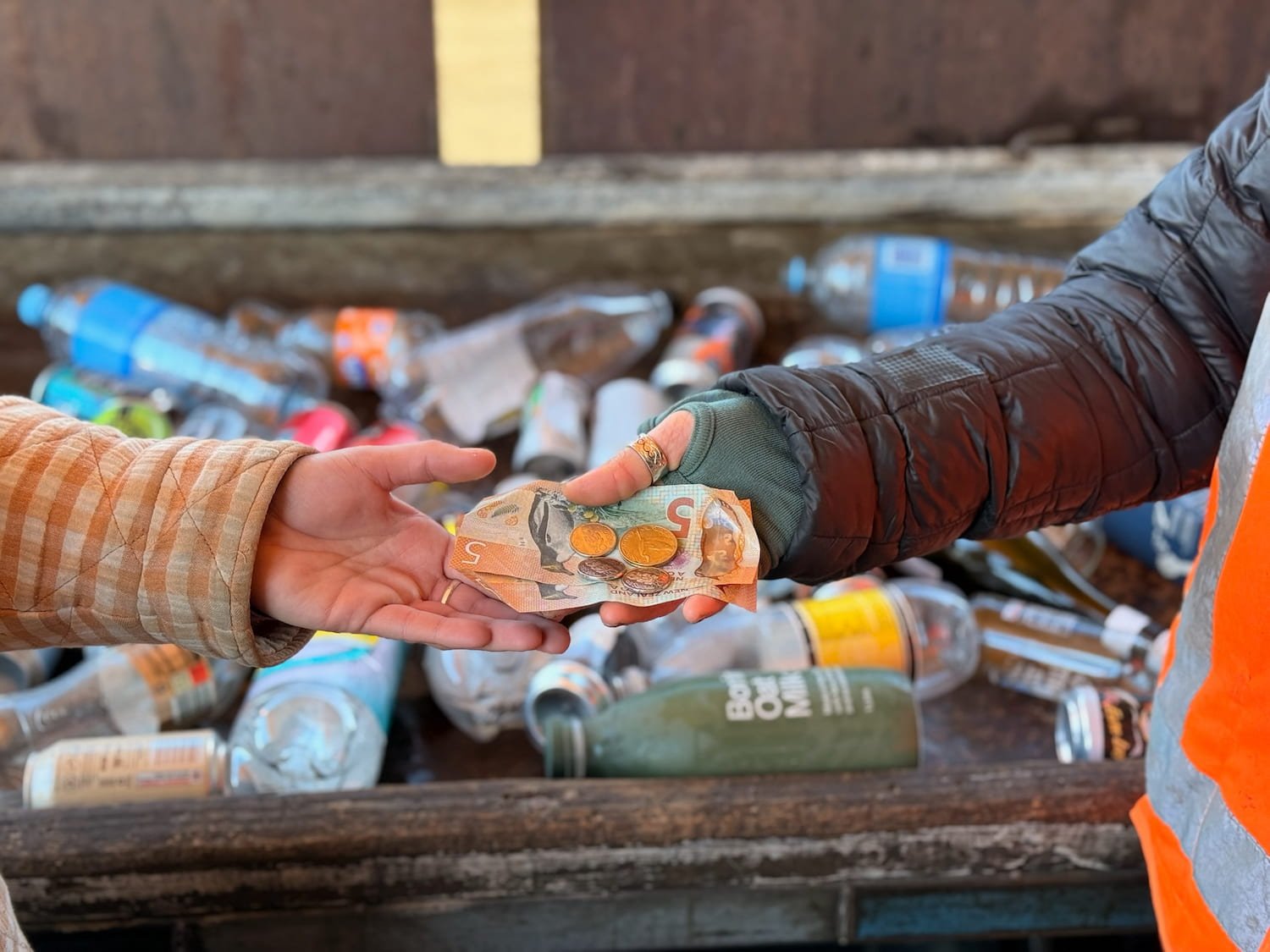
Economic analysis shows the cost-of-living fears, cited in 2023 as the reason to delay a long-planned Container Return Scheme, were unfounded. So long as the scheme is convenient for everyone across Aotearoa to drop off their empties and claim their 20c deposit, when they do their grocery shop or take their recycling to a depot, the scheme won’t add to cost pressures on families.
The report makes it clear the Scheme would transfer the cost of recycling to the manufacturers and importers that profit from selling drinks in single-use packaging, and away from ratepayers who currently fund their Councils to run recycling systems and clean up litter, regardless of how many drinks they buy.
The Scheme would be self-funding. It would reduce the growing cost burden on our overstretched councils by at least $50 million every year. If the previous Government had pressed ahead with the planned scheme three years ago it would have been up and running by now.
At least one of our waste problems would have been solved. We would have a working producer responsibility model that has a fair and transparent way of allocating costs at its heart.
Unblock ourselves by asking better questions
Arguments pitched as ‘objective cost-of-living’ stories become a form of ‘fait accompli’. There’s a sense of doom and inevitability that creeps in. It’s actually a political battle, between those that benefit from the status quo and those that stand to gain from the new scenario.
Decision makers need to understand this, so they can clearly see exactly who pays, who benefits and whether that approach serves the public good. Everything costs money. People and businesses want services. Instead of getting paralysed by the need for change, it’s time we started asking ourselves:
- What is the best and fairest way to pay for the reuse and recycling services households and businesses want?
- What does value for money really look like for communities and local economies?
The government is investing in distribution systems that pump products and their single use packaging out across the country. But they’ve rolled back policy programmes, investment and practical actions. These would have set up the reverse logistics systems New Zealand desperately needs to do a decent job of reusing and recycling all the empty packaging and end of life products.
This is a great way to support the ‘throwaway economy’ status quo and the companies that benefit from the way we do things now.
Big budget cuts and reallocation of waste levy funds
This government has cut budgeted investment in practical waste reduction activities by $462m in the last two budget rounds. Budget 2025 cut $232m out of budgets that had been ring fenced for waste minimisation. That comes on top of $230m in similar cuts in Budget 2024.
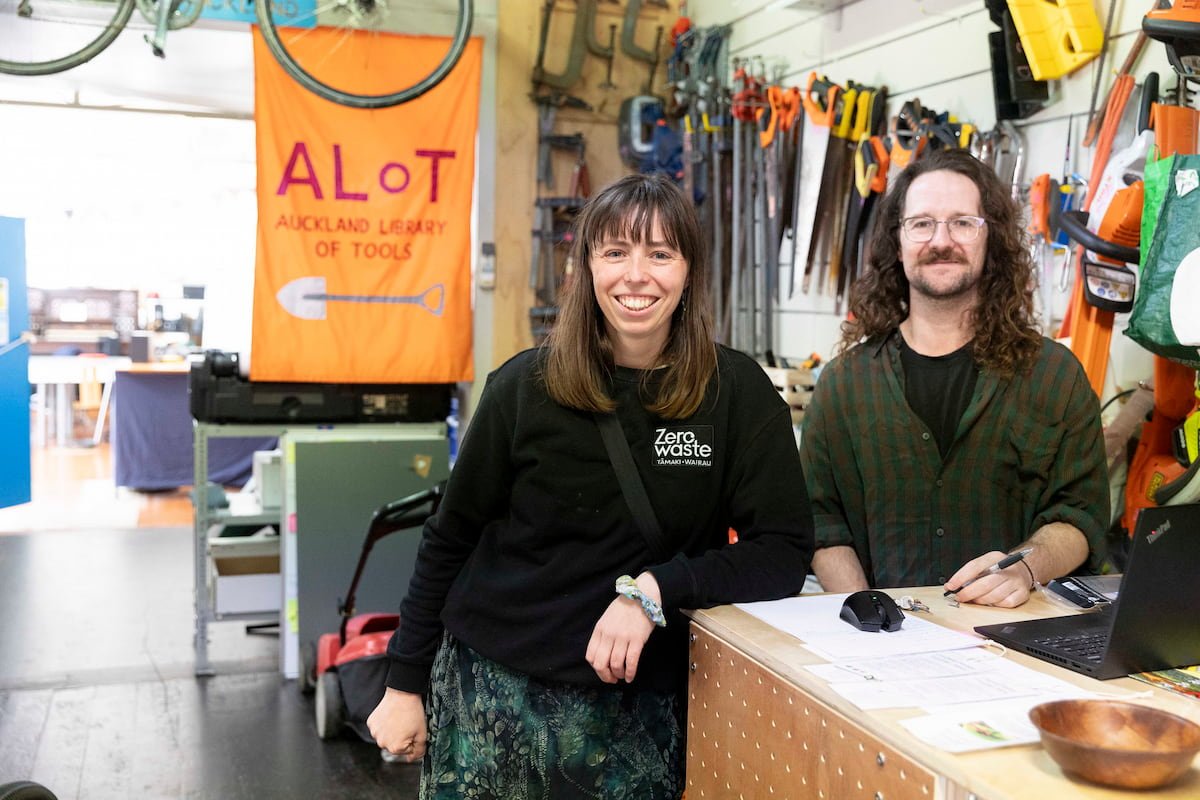
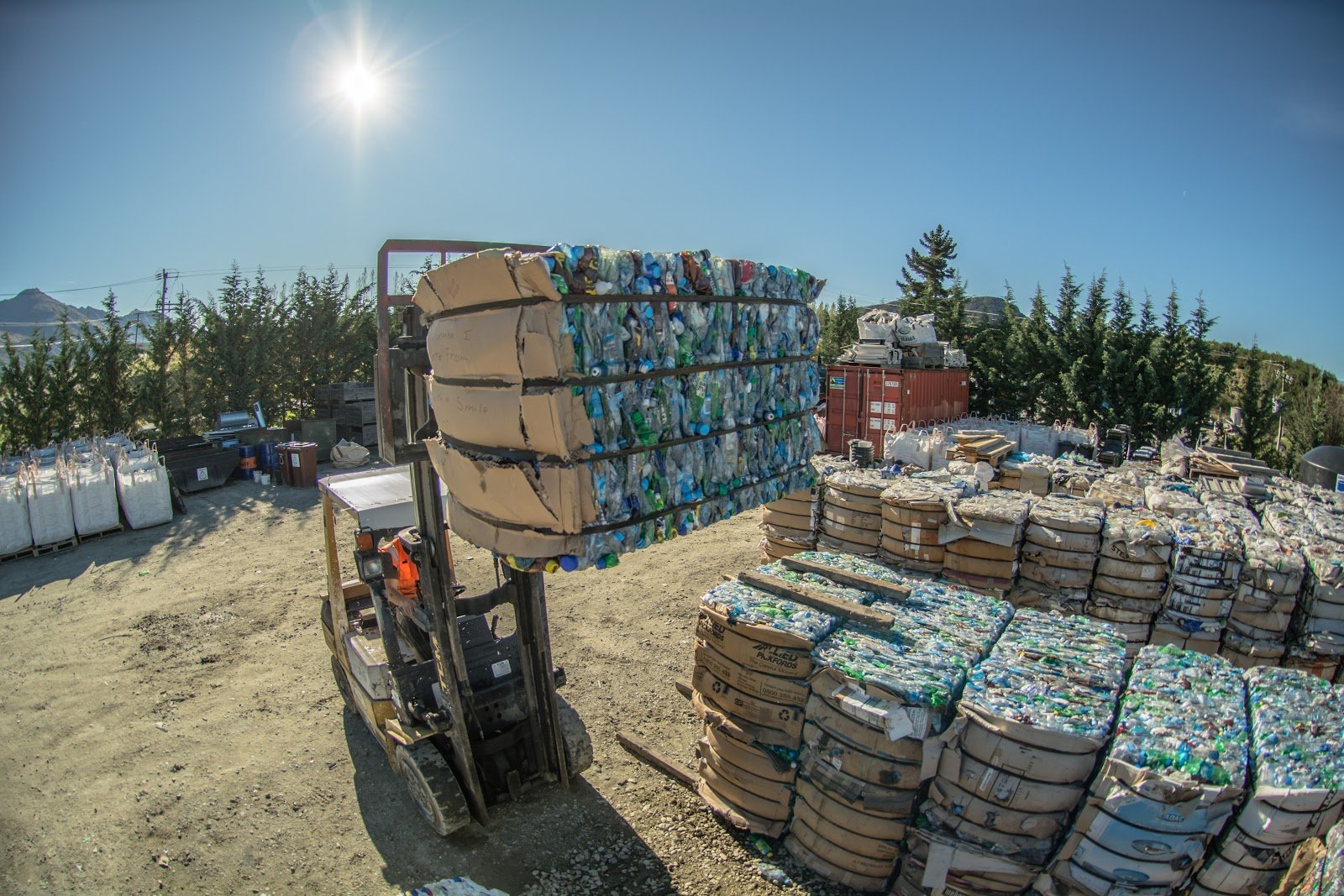
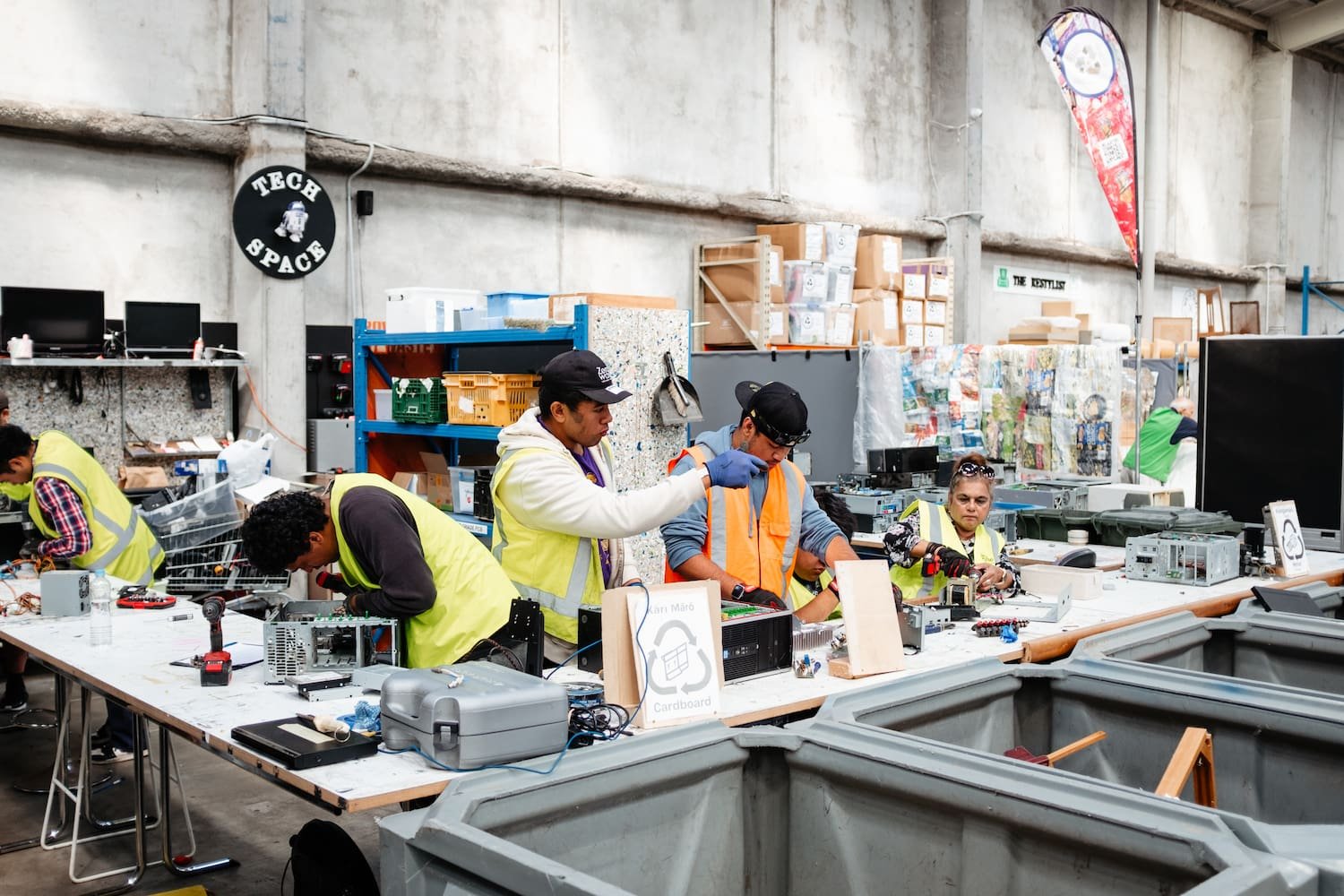
This means we’ve lost the opportunity to grow the reuse and resource recovery sector. New Zealand is already a long way behind the countries we like to compare ourselves to when it comes to practical waste reduction infrastructure. Cutting nearly half a billion dollars out of budgets that had been put aside to invest in setting up recycling, composting and reuse infrastructure for businesses and households makes no sense.
Levy charges are meant to create alternatives to disposal
Investment in systems and infrastructure to reduce and prevent waste is critical for giving businesses and households the practical tools they need to cut waste, litter and GHG emissions. Allocating money that has been collected from households and businesses to spend on solutions to our waste problems on activities that don’t help to minimise waste is a breach of trust.
What we’re left with is steadily increasing waste disposal costs for businesses and households and a huge underspend on investment to provide the alternatives they are looking for like reuse, repair and high quality recycling.
This is especially tough on regional economies that depend on tourism and food and drink exports. Our visitors and trading partners expect Aotearoa to be up with the play on recycling and waste reduction.
Innovative NZ businesses lose out
The Government is talking about growing New Zealand businesses and productivity. That’s exactly what the Waste Levy fund was designed to support.
These cuts will lose us jobs and the opportunity to future proof our economy. NZ company MINT Innovation relocated to Sydney. It did it to access a $4m government grant to kick-start its operation and tap into flows of e-waste from extended producer responsibility schemes that collect electronic waste in Australia.
The company chose not to invest further here, because there’s no regulated e-waste scheme. That means 98% of electronic waste is still going straight to landfill. That’s $60m in turnover dropping into the Australian economy every year, instead of ours.
Clean ups and environmental projects need their own funding sources
The Waste Levy is a specific polluter-pays tool. It collects revenue on each tonne of waste that’s disposed of. That can then be invested in waste reduction activities to reduce the associated future costs and risks.
Cleaning up hazardous sites, managing risks from vulnerable landfills and a wide range of other projects to protect and restore our environment are worthy. But they need their own sources of funding.
————————–
Notes
Budget documents
Budget 2025 summary of initiatives here -pg 40-41
Budget 2024 summary of initiatives here p 43-45
| FYE25 | FYE26 | FYE27 | FYE28 | FYE29 | Total | |
| Waste Disposal Levy – further reallocation of funding | -$49,252,000 | -$52,323,000 | -$58,473,000 | -$72,473,000 | -$232,521,000 | |
| Cut Waste Minimisation and reallocate Waste disposal levy | -$99,121,000 | -$78,160,000 | -$26,479,000 | -$25,967,000 | -$229,727,000 | |
| Total | -$462,248,000 |
From https://budget.govt.nz/budget/2025/summary-initiatives/index.htm p 46-47
MINT – innovative Auckland e-waste recycler – develops business offshore
2024 budget and law changes
For detail on the original changes in 2024 see our release from that time Waste Law change robs Peter to pay Paul – June 6, 2024 https://zerowaste.co.nz/waste-law-change-robs-peter-to-pay-paul/