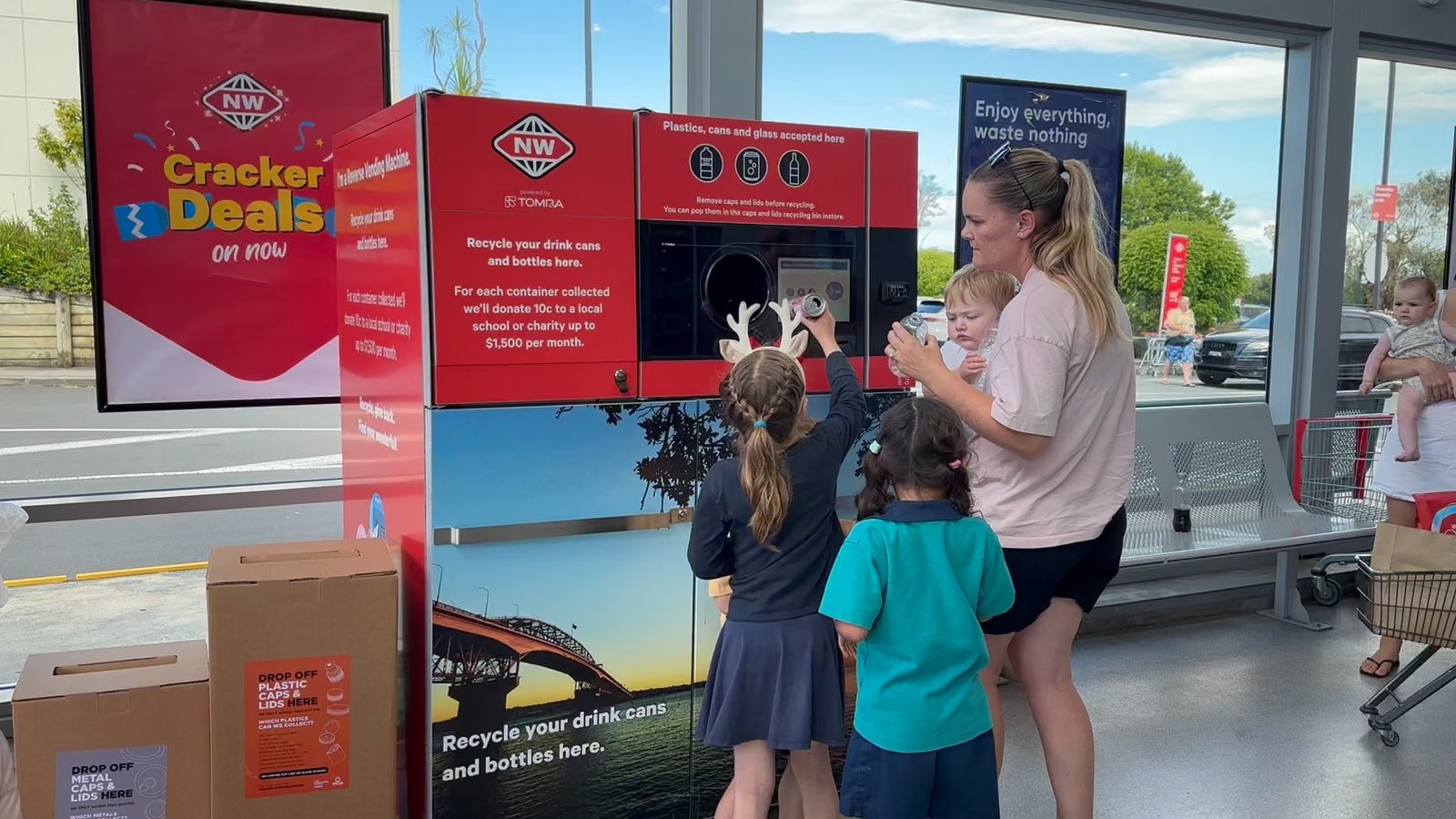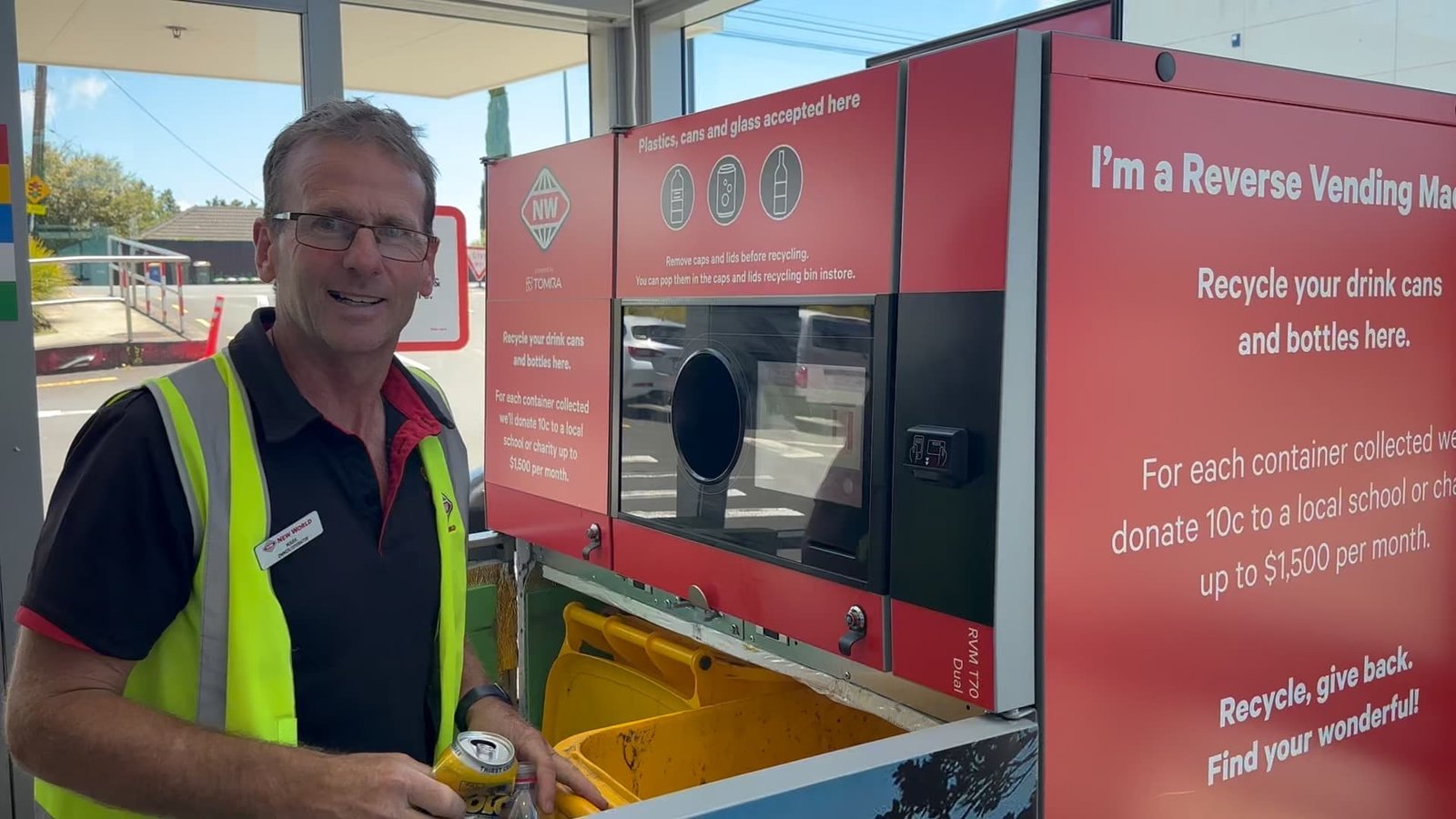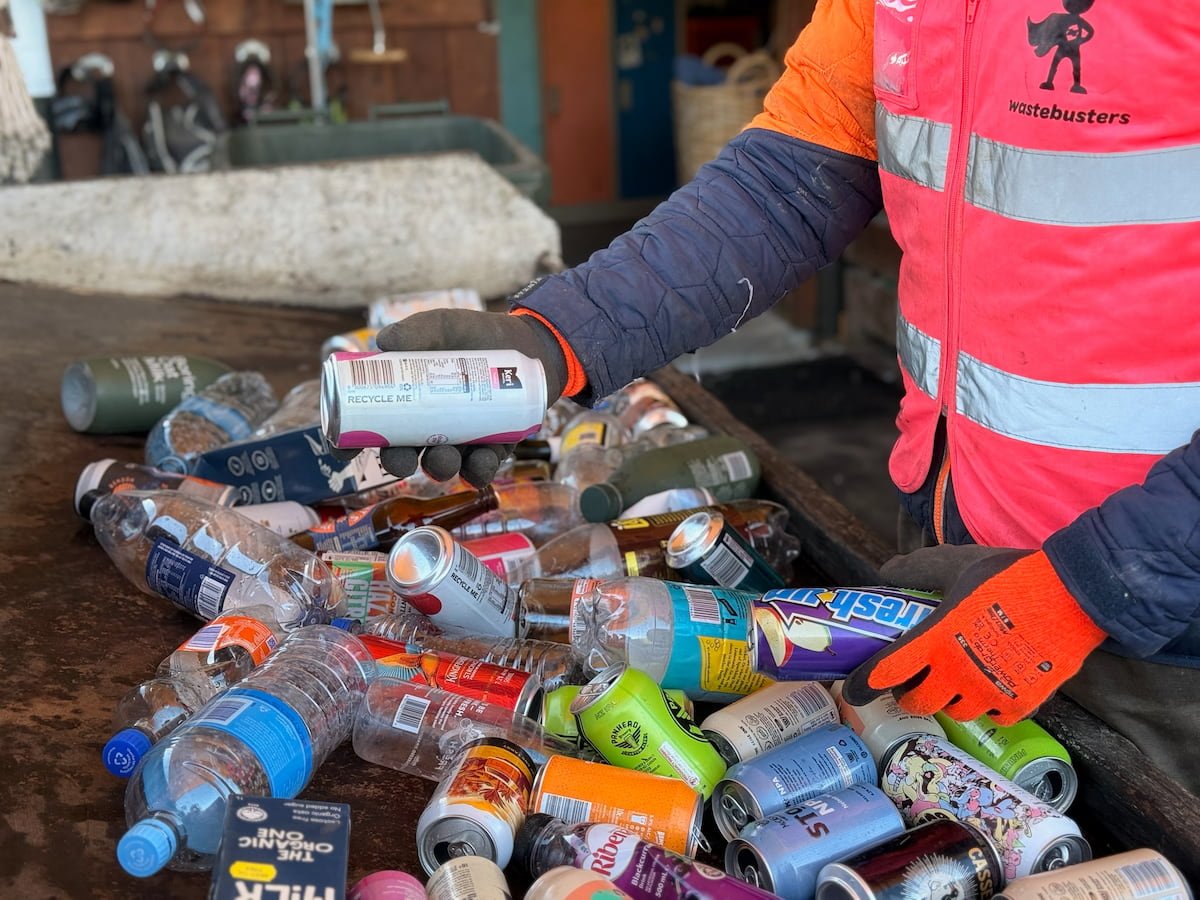

New international comparison research shows New Zealand could halve that litter, fast, with a Container Deposit Return Scheme, like 32 countries have already done.2
Reloop research shows that countries with Container Deposit Return Schemes have reduced their litter by more than half, on average.
The new ‘Littered with evidence’ research from Reloop clearly shows Container Deposit Return Schemes dramatically reduce beverage container litter across diverse regions worldwide. The evidence in favour of the schemes’ effectiveness is consistent and overwhelming.
Countries and states with Container Deposit Return Schemes for beverage packaging see rapid and dramatic reductions in beverage container litter—in some cases cutting it by far more than half in just a few years.
Lessons from Slovakia
A well-designed scheme, like the 5.5 million people in Slovakia enjoy, could cut our littered drink bottles, cans and cartons by as much as 75% – and massively increase the proportion of drink containers that get recycled from 45% to over 85%.
Slovakia introduced a Container Deposit Return Scheme in January 2022 in which people can claim back a deposit of €0.15 (NZD$0.26) on each container they return. In Summer 2021, before the scheme, metal beverage cans and PET beverage bottles represented 10% and 11% of all litter collected in Slovakia, respectively (by count). By Summer 2023, just 18 months after launch, cans and PET bottles each made up only 2% of litter – down 78% and 72% 3.
The scale of the problem
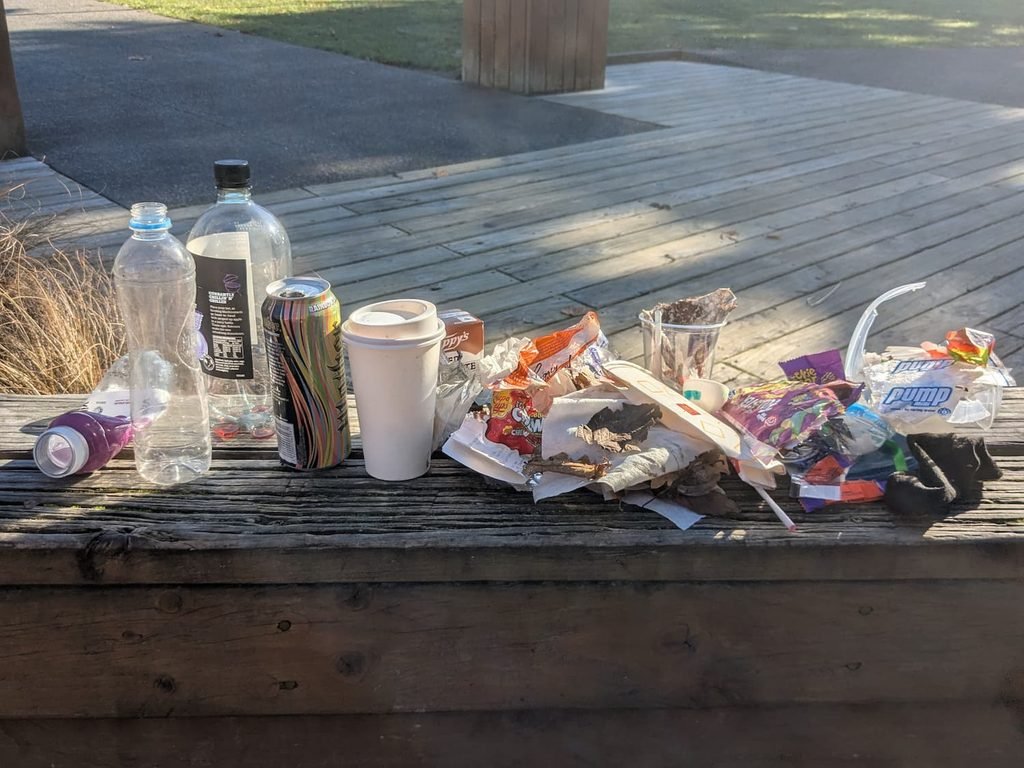
Drink containers make up over half of all food and drink packaging sold globally—and the waste is staggering. In 2024 alone, 1.3 trillion drinks were sold in PET, glass, or metal containers, worldwide. Locally, a whopping 2.6 billion drinks are sold in single use bottles, cans or cartons here in New Zealand each year.
Every day, about 4 million of those drink bottles, cans and cartons get landfilled or littered in Aotearoa. That’s why they are such a common sight in our towns and along rural roads and why so many end up in our ocean.
“All our parks, streets and beaches look better with less litter. Litter-free places are safer for children and wildlife. Less plastic litter means less plastic in our oceans and less micro-plastics everywhere.”
Higher quality recycling
As well as dramatic cuts in litter, it’s also been shown Container Deposit Return Schemes improve the quality of recycling, making more high-quality recycled material available. Making new drink containers from recycled materials produces less greenhouse gas emissions than making containers from virgin plastic, glass or aluminium. When companies avoid using raw materials, they help reduce pollution and other environmental harm caused during extraction and production.
Surveys show 76% of New Zealanders want a Container Deposit Return Scheme here. Many fondly remember returning bottles to claim deposits in the 1970s and 1980s.
“The development work for a New Zealand Container Deposit Return Scheme has already been done. Updating our waste and litter laws would pave the way for a container deposit return scheme by making producers more responsible for the products and packaging they put onto the market.” says Sue Coutts of Zero Waste Aotearoa.
_____________________________________
1 Keep NZ Beautiful National Litter Audit 2019 – Total beverage containers found in litter 4,956 units / 106.98 kg.
2 Littered with evidence: Proof that deposit return systems work, Reloop, June 2025 – Global average litter reduction of 57% for countries with Container Deposit Return Schemes.
3 Before and after: How deposit return systems cut beverage container litter, Reloop, April 2024 Fact sheet
See also The deposit divide – why Jurisdictions with deposit return systems stay cleaner