The report is Moving Up the Waste Hierarchy Through Collective Action. It’s written by Gradon J Diprose of Bioeconomy Science Institute Maiangi Taiao and Dorte Wray, general manager of Zero Waste Aotearoa. It’s part of research led by Professor Kelly Dombroski at Massey University. It includes interviews with 23 people from business, local government and community groups in New Zealand, Australia, Italy, Scotland and England. It’s accompanied by a review of existing research and policy documents.
The findings confirm that individual behaviour changes won’t fix the nation’s waste problems on their own. The systems around us still make it too hard to choose the right options. Interviewees and the literature emphasised the need for the right laws and regulations.
Three major policy changes stood out:
- Mandatory product stewardship. Compel companies that make and distribute products and packaging to help pay for and run systems to collect and reuse them.
- Extended producer responsibility. Encourage those businesses to make goods that last longer and are easier to repair.
- Right to repair laws. Make repair the norm.
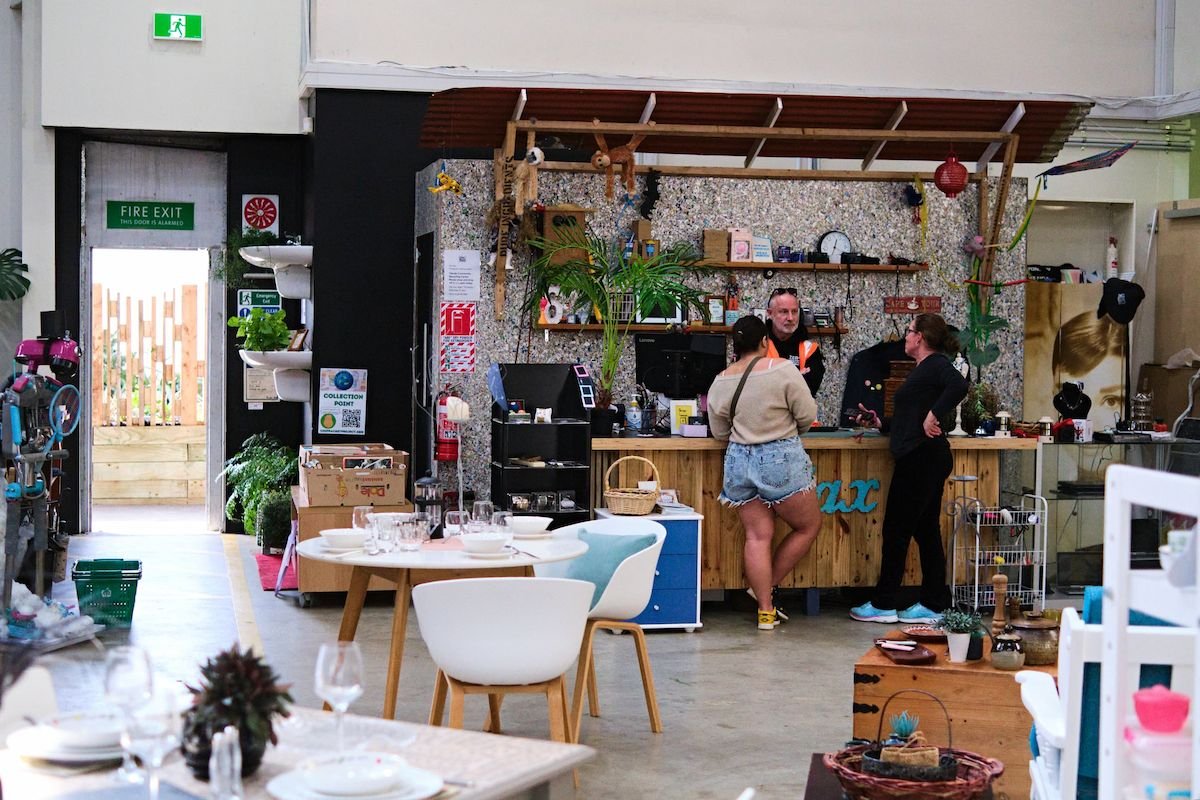
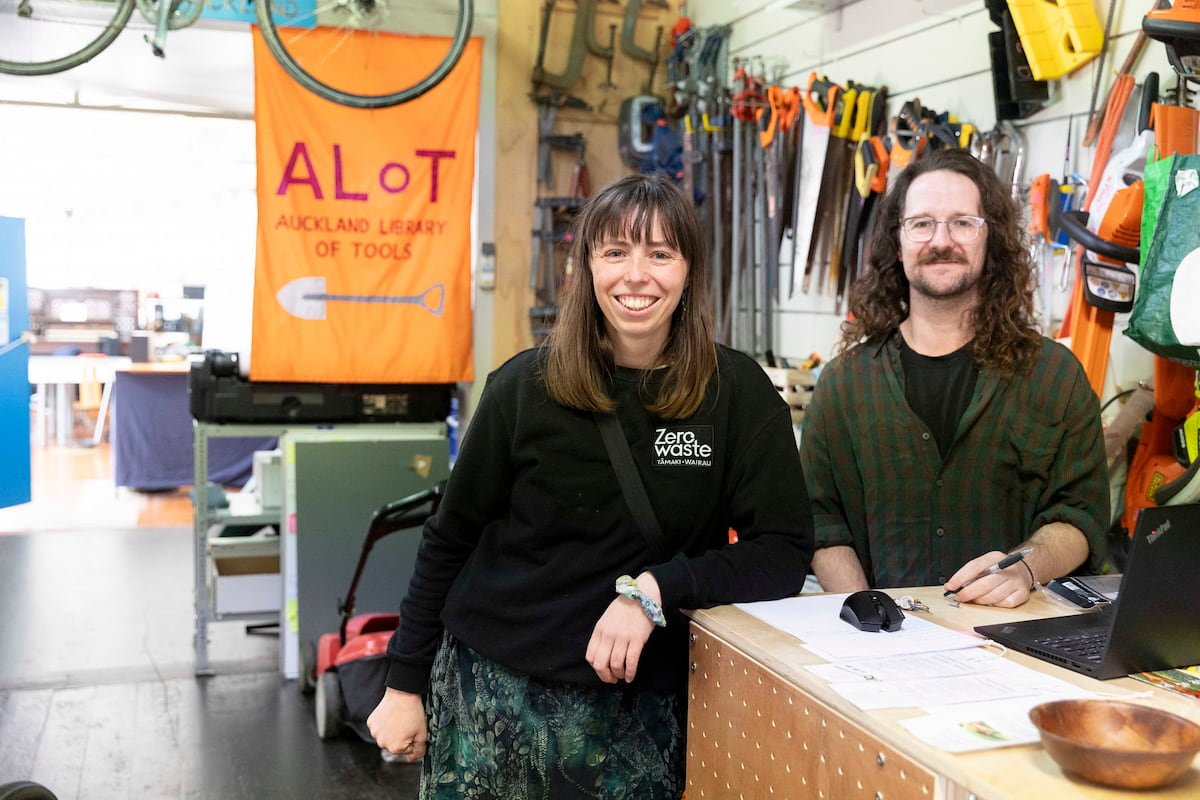
But community groups and businesses tackling waste problems need to be properly supported to make change happen. They’re the ones who help push for those changes and demonstrate how they will work. The evidence suggests this comes down to supportive networks and business groups. Investment is needed in community reuse shops, repair cafes and resource recovery centres. They create jobs, give people access to cheap second-hand goods and build social ties. They also build public support for councils to keep funding this kind of work.
They can also gather valuable data. What they save from landfill. How much carbon they cut. How many jobs they create. This can make the sector harder to ignore.
The study also emphasised the importance of certain forms of communication. For example, telling people to “consume less” can backfire for those already struggling to afford basics. Better messages focus on what people stand to gain by being more resourceful. We can save money. We can learn new skills. We can meet neighbours and find creative ways to use what we already have.
The key from the research is the importance of connecting local action and national policy. Every repair hub, reuse shop, data project and community campaign helps build the case for stronger laws.
Moving up the waste hierarchy requires government action. But the people provide the pressure and the proof.