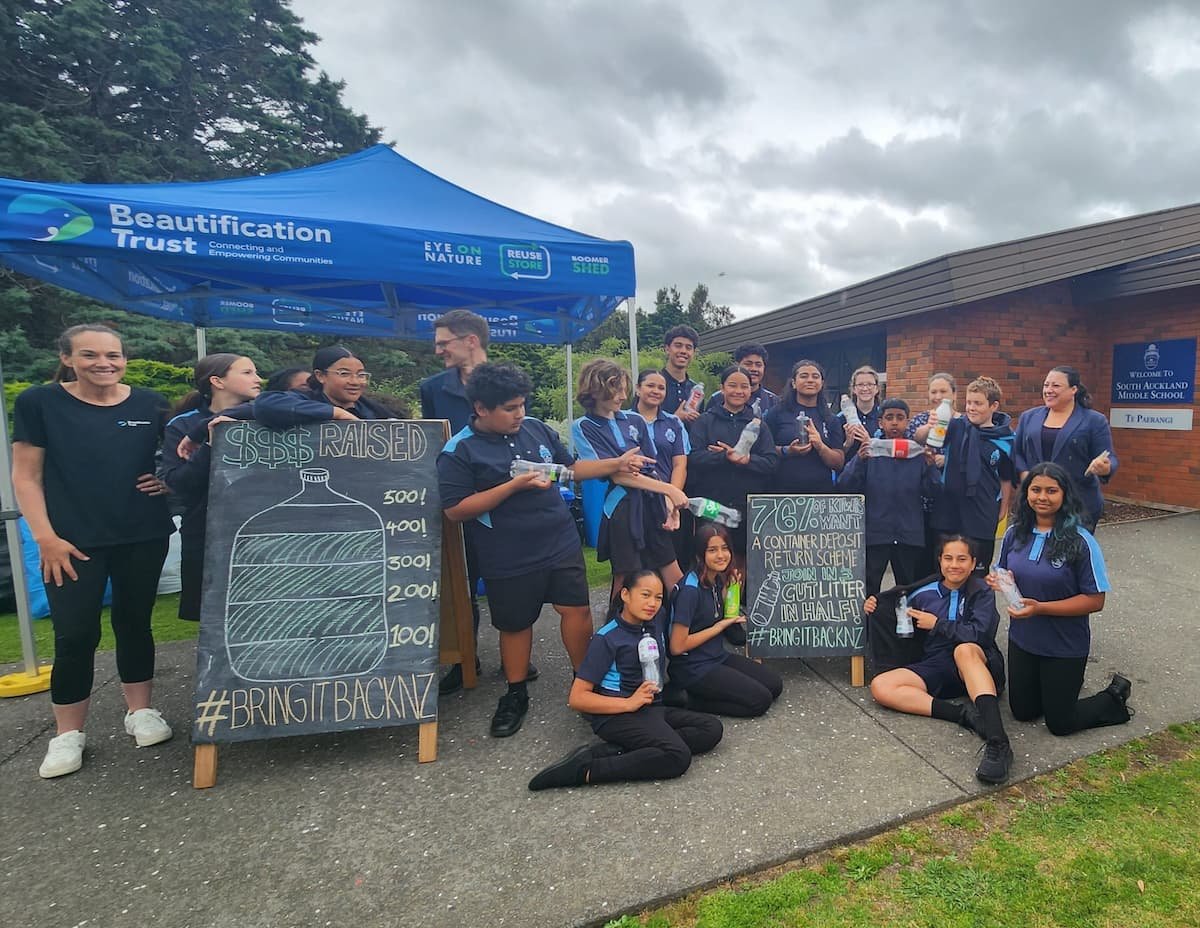
With the right design it’s easy to set up and run a successful container deposit return scheme so we recycle more of our empty drink containers. A deposit return scheme uses fees and incentives to double recycling rates from 45% to 90%.
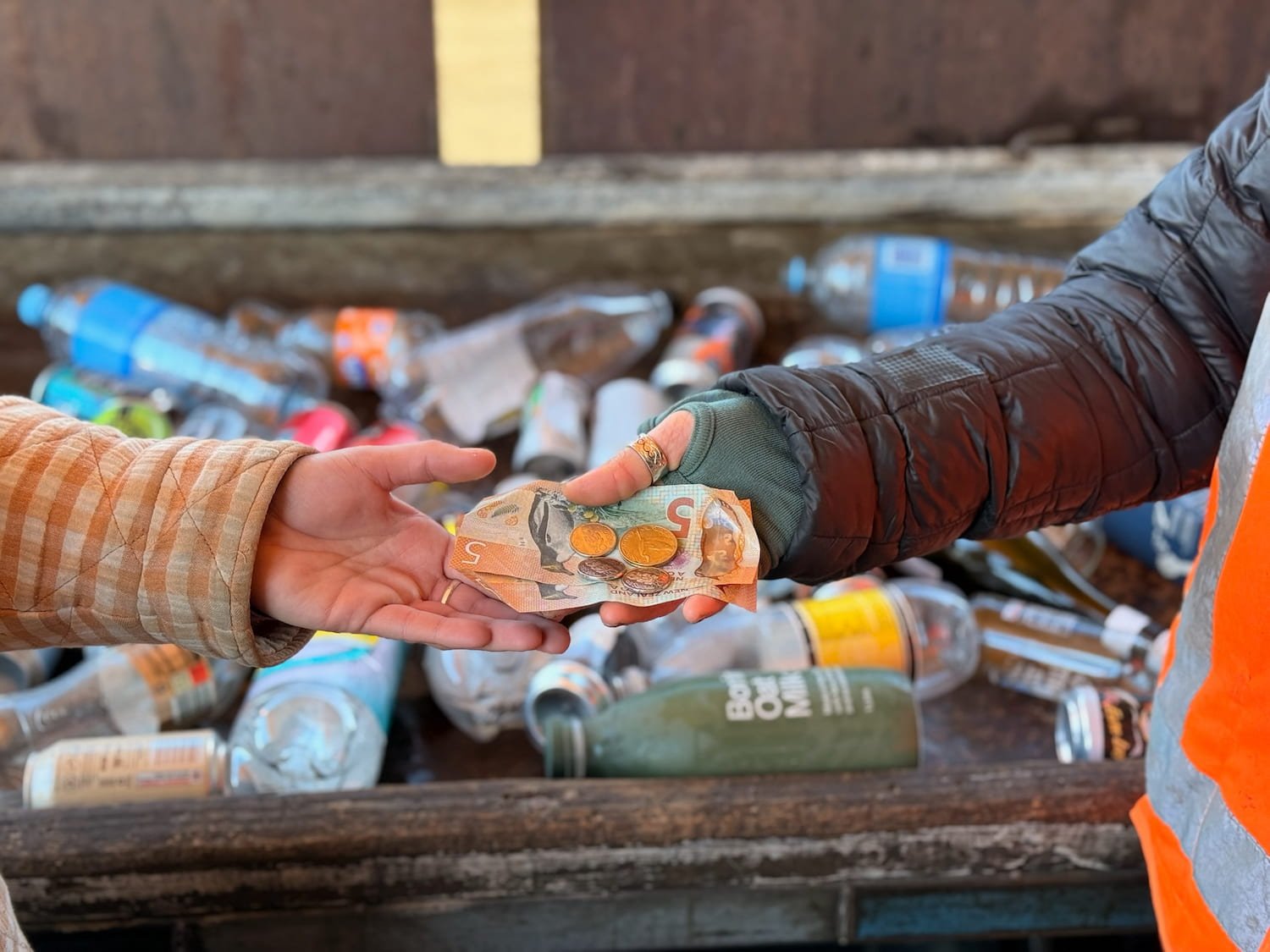
The big idea in a deposit return scheme is that consumers pay a deposit when they buy a drink in a bottle, can or carton. This gives them an incentive to return their empties and get their cash back.
Anyone who finds a littered drink container can claim the deposit. This gives people a good reason to pick up bottles, cans and cartons left lying about in parks, on beaches or along the roadside.
It has to be worth making the effort
The deposit has to be high enough to make it worthwhile. Some countries have high deposits. For example, the United Kingdom scheme set to start in 2027 has a deposit of 46c (NZD). The sweet spot for New Zealand is 20c.
Reloop commissioned a poll in 2022, which found that 78% of New Zealanders wanted a scheme, but only 45% would be willing to return containers for a refund of 10c. 66% said they would return their empties for 20c.
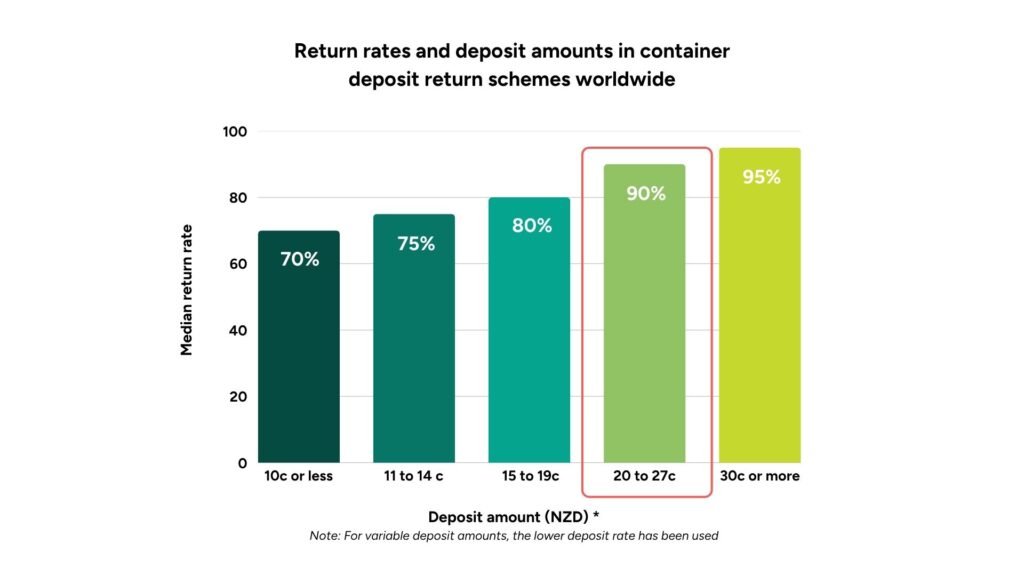
When we look at the international evidence in the 32 countries that already have schemes in place it’s easy to see that the countries with higher deposit rates are getting back a much higher proportion of the bottles, cans and cartons that went onto the market.
The top 10 schemes in the world have a median deposit of 21c (NZD) and achieve 87% or higher return rates. USA (63%), Canada (76%) and Australia (70%) have much lower return rates and deposits of 10-12c (NZD).
Oregon doubled its deposit from 5c to 10c USD (equal to 18c NZD) in 2017 and the return rate shot up. They also made the collection network more accessible so everyone could claim their deposits. Oregon now has the highest return rate in the USA reaching 87% in 2024.
The return rate matters
The return rate is a big deal, because the goal of recycling empty bottles and cans is to send the glass, plastic or aluminium they are made from back around to become recycled content in new packaging.
If we only collect 65% of the empties, then we lose a third of the material in every cycle. We have to extract and produce virgin material to make up the difference. That uses energy, creates greenhouse gas emissions and can damage our environment.
To get to a return rate of 80% means 90% of the consumers have to return 90% of their empties. So to get to a 90% return rate you need 95% of the people to return 95% of their empties or donate them to someone who will. This could be a person, or an organisation like a school or sports club that can claim the deposits for a fundraiser.
Getting to 90% is a big ask. So the deposit has to be high enough to motivate a wide range of people to do the right thing. For us in New Zealand 20c is high enough to do that. Over time, inflation will erode that, so a mechanism needs to be built into the scheme to adjust the deposit upwards to deal with inflation or to respond to low return rates.
Needs to be easy to get your deposit back
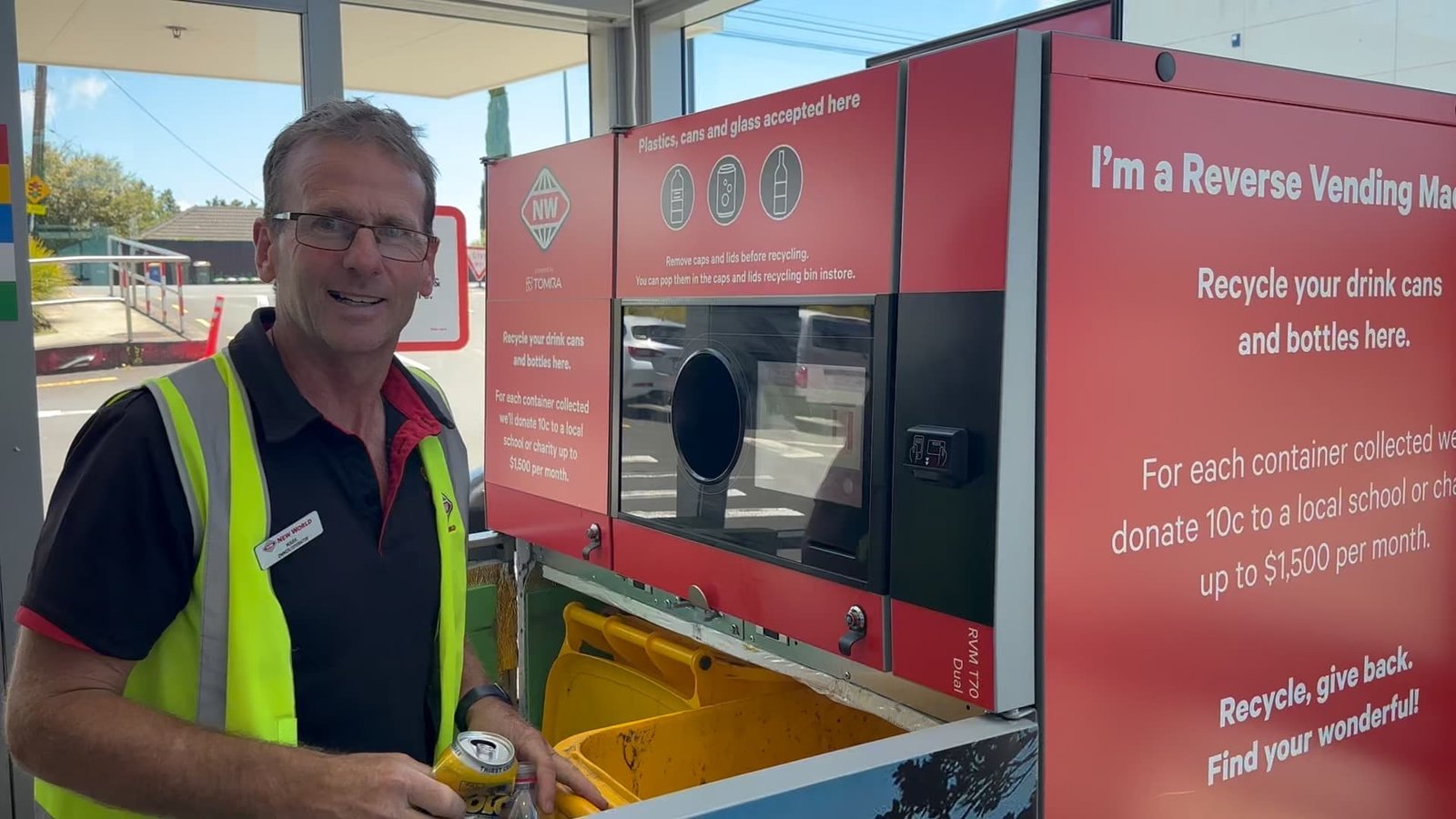
Being able to get your deposit back easily reduces the cost of living impact of a container return scheme. The New Zealand scheme has been designed to minimise cost of living impacts by including convenient drop-off points at local supermarkets (return-to-retail) as well as at local depots and recycling centres.
That means, whether you have one empty container, or a whole trailer load from an event, a small business or a fundraiser, the scheme is fair and it’s easy for everyone to get their deposits back.
The deposit is part of a package
Modern container deposit return schemes combine a set of key features to make sure they are circular, high performing and convenient with producer responsibility and integrity built in from the start.
The value of the deposit is one of the key elements that affects performance, by driving high return rates but the scheme needs to work as a whole to be effective.
Notes
See Tomra’s White paper for more detail on what makes a winning scheme.
Reloop, 2022. Aotearoa/ New Zealand Consumer Polling – Container Return Scheme. Briefing. Kantar/Consumer link poll https://www.reloopplatform.org/wp-content/uploads/2023/05/NZ-2022-poll-briefing.pdf
Data from Reloop, 2024. Global Deposit Book: An Overview of Deposit Return Systems for Single-Use Beverage Containers. Available from: reloopplatform.org/wp-content/uploads/2024/12/Reloop-Global-Deposit-Book-2024.pdf