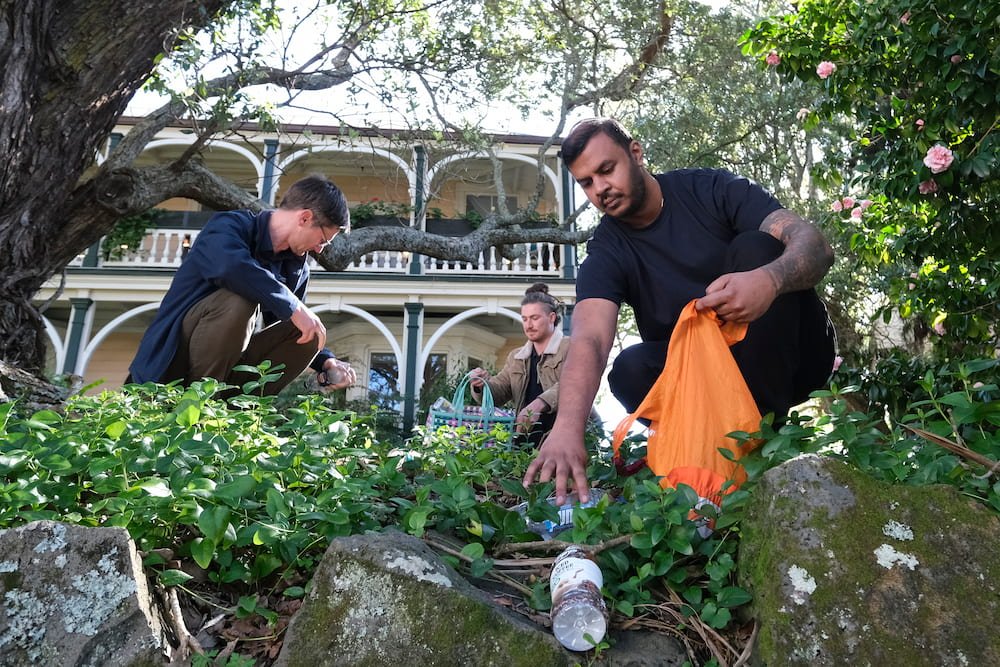
Every year, New Zealanders buy 2.6 billion drinks in single use bottles, cans and cartons. Less than half of them get recycled. The rest end up in landfill or become litter and pollution.
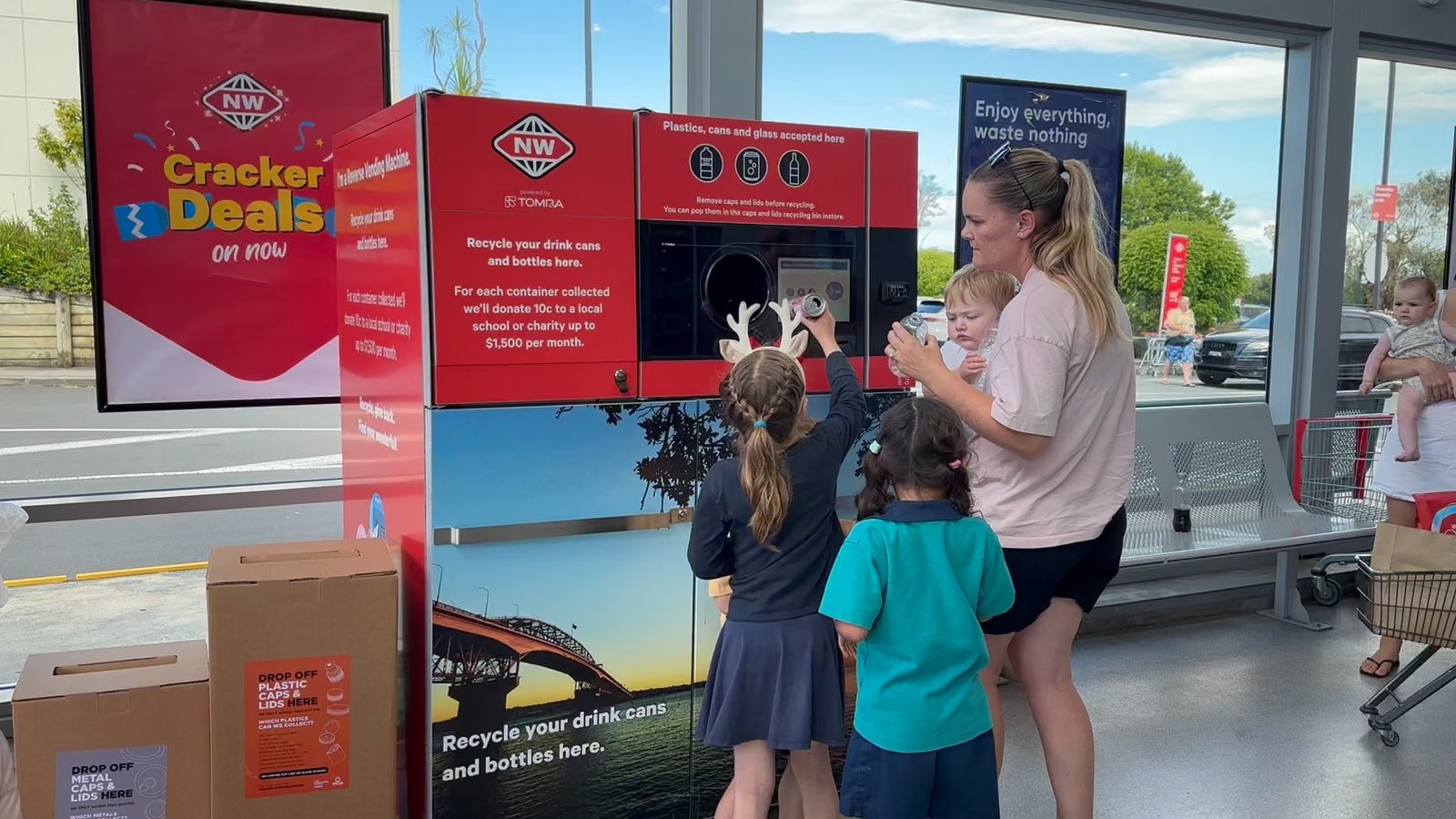
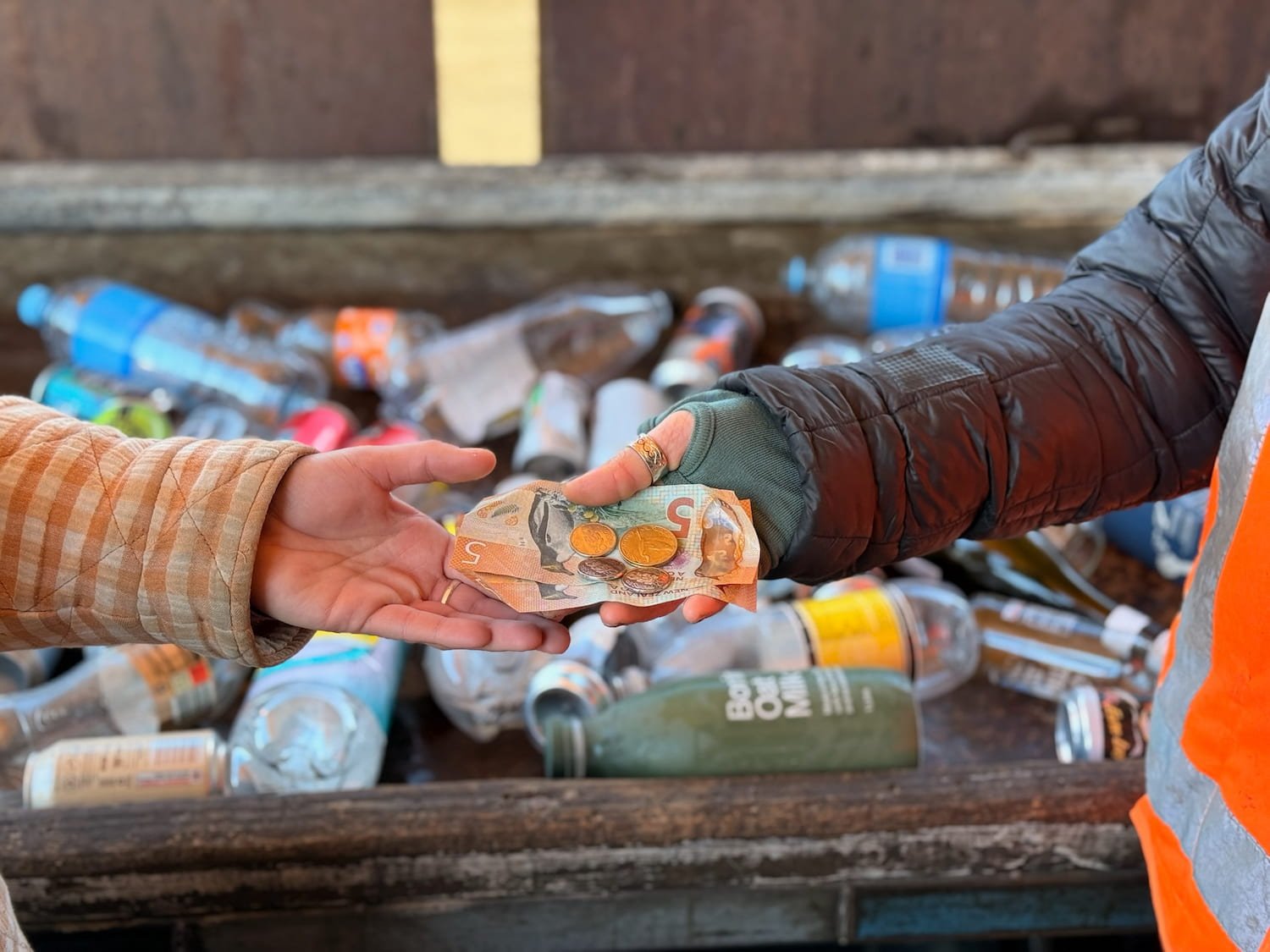
A container deposit return scheme uses fees and incentives to double recycling rates from 45% to 90%. Consumers pay a deposit (say 20c) when they buy a drink in a bottle, can or carton. This gives them an incentive to return their empties and get their cash back. Producer fees cover the cost to collect, sort and transport taking the pressure off ratepayers and councils.
A deposit return scheme is a type of extended producer responsibility or product stewardship. It makes the companies that put the drinks on the market responsible for setting up, running and paying for systems to collect the empties for reuse and recycling.
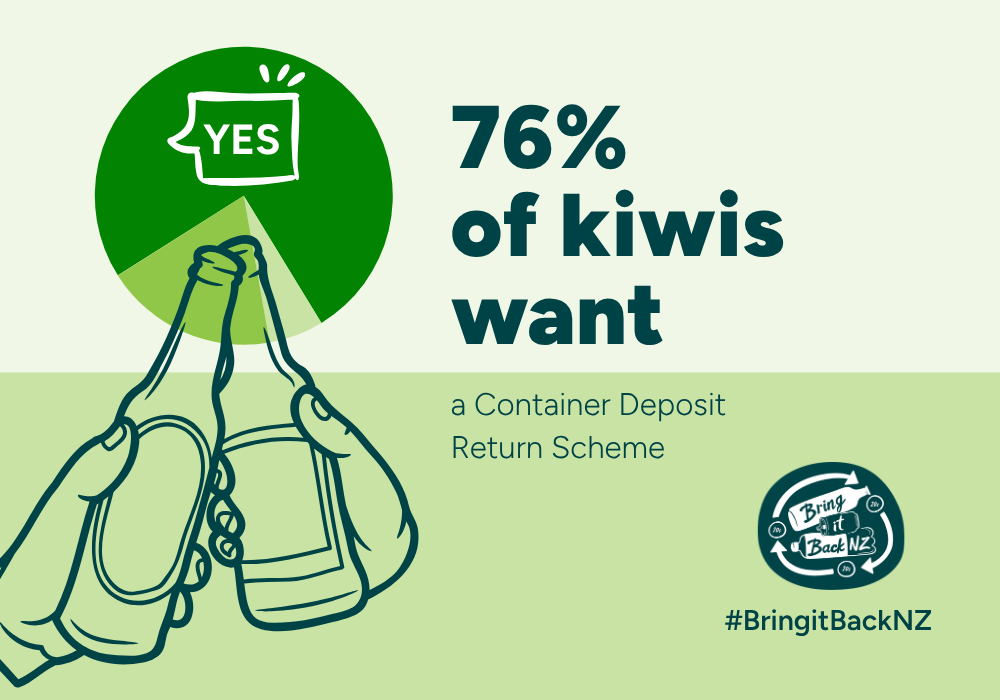
Surveys show 76% of New Zealanders want a container deposit return scheme here. Many fondly remember returning bottles to claim deposits in the 1970s and 1980s.
Back in the day, the bottles were returned, washed and reused in local bottling plants. Setting up a scheme would create a nationwide reverse logistics system that New Zealand companies can tap into so it’s easy and affordable to collect up and reuse their packaging.
Where are we at?
50 years of international experience shows that with the right design it’s easy to set up and run a successful scheme. Modern schemes combine a set of key features to make sure they are: convenient, easy to understand, have clear targets and practical checks and balances so that they work well for everybody involved.
A container deposit return scheme design has already been developed by the government. This is based on international best practice and is a good fit for Aotearoa.
The design and evaluation process was rigorous. It included stakeholder engagement, input from technical experts, financial and cost benefit modelling, public consultation and careful policy work. You can find papers outlining the design, analysis and rationale here.
What are the steps to get a scheme in place?
The government makes the laws, creates the incentives and sets the standards that shape our economy and protect our environment. It sets the rules or ‘regulatory framework’ for waste, pollution and emissions reduction.
The government needs to update the Waste Minimisation Act 2008 and the Litter Act 1979 to set up the regulatory framework for an effective container deposit return scheme. This will give the government the powers it needs to make companies responsible for helping to set up and pay for the scheme and to make sure they meet the standards and targets.
There have been two rounds of consultation on these amendments to the law. There was one in 2022 under Labour and a second round under National in 2025. Both governments committed to updating the law, but the draft legislation has not been introduced to parliament yet.
This could happen early in the next term of government, since all the work has been done. The Draft legislation just needs to be drawn up by the Parliamentary Counsel Office. Next, it gets introduced to the House and goes through the Select Committee and public feedback process before being passed into law.
Once the Waste Minimisation Act has been updated, a set of regulations will need to be passed that set up the practical structures of the Container Return Scheme. A managing agency would be set up to establish the financial and admin systems, as well as get the take-back infrastructure organised at supermarkets, depots and recycling centres.
In other countries it’s taken two to three years to go from the point where the government commits to introducing a scheme to the official opening day. Meanwhile, we all need to keep the pressure on, so MP’s and our government know this really matters to New Zealand households and businesses.
For more detail on this see
Robert Kelman- Reloop – December 2025 Policy Development for a New Zealand Container Return Scheme – Situation Analysis