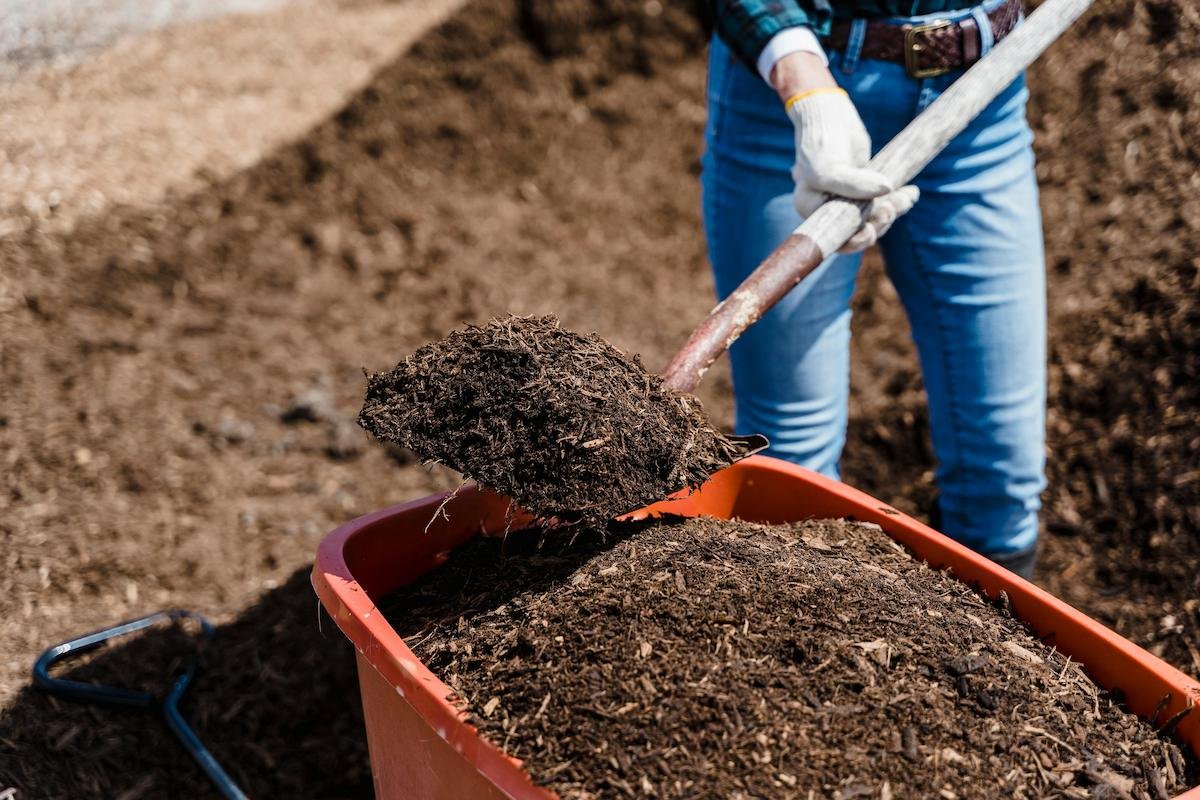
The health of our soil is inextricably linked to the health of our people. Whakahaumanu a Hineahuone is a national project supporting community-scale composting initiatives across Aotearoa to restore mauri-rich soil and strengthen local food systems. Led by a collective comprising Para Kore Marae, Te Waka Kai Ora, Aotearoa Composters Network and Zero Waste Aotearoa, the initiative aims to establish more than 100 composting hubs while revitalising composting as a taonga tuku iho (a treasured practice passed down by ancestors).
What makes Whakahaumanu truly transformative is its commitment to a Tiriti-dynamic approach. This framework places Te Tiriti o Waitangi at the core of governance and operations, dismantling systemic bias, sharing power equitably and actively contributing to the decolonisation of soil-building practices.
The framework is operationalised across three core pou (pillars):
- Te Mana me te Mauri o Hineahuone (Soil Sovereignty): Recognises the sacred connection to Hineahuone (the first woman). It protects and centers tikanga and mātauranga Māori, ensuring soil restoration is Māori-led and rooted in indigenous knowledge systems.
- Kai Atua (Food Sovereignty): Positions composting as essential to local food security. It centers the self-determined priorities of whānau, hapū, and iwi, while strictly adhering to Māori data sovereignty and kaupapa Māori research principles.
- Whanaungatanga (Partnerships): Upholds tino rangatiratanga through shared decision-making and equitable resourcing. It requires tāngata tiriti (non-Māori) to act as responsive allies while building authentic, high-trust relationships focused on genuine equity.
Gifted its name by Shane Cassidy (Te Ati Awa, Ngāpuhi), the project’s vision is clear: He whakaniko i te mauri o Hineahuone mā te mahi wairākau, enhancing the mauri of Hineahuone through composting. By embedding a Tiriti-dynamic model at every level, Whakahaumanu is actively honoring Te Tiriti o Waitangi to heal both land and community.