The Kantar Better Futures 2026 survey results show that:
- New Zealanders expect business and brands to take responsibility for the impacts of their products and packaging.
- We don’t think business, brands or the government are doing enough on environmental issues and climate change.
Hope looks like
These tough times. So many things are changing. So many environmental and social wins are being rolled back. But one form of hope looks like local scale community action to reuse, repair, compost and recycle. It’s building relationships with hapū, iwi and māori enterprise. It’s growing our understanding of te ao māori, investing in future generations and creating businesses that put people and planet first.
Organisations and people across the motu are doing everything they can, at home and at work. They’re reducing waste and pollution, keeping stuff in circulation for as long as possible and restoring and regenerating communities and ecosystems. But there is only so far we can get on our own.
We need the next Government to step up and build the framework of laws and regulations to make New Zealand’s economy more resourceful. The background work has already been done, they just need to get on with it.
Five practical things the next Government can do
1 – Waste Minimisation Act updated ASAP
Update the Waste MInimisation Act 2008 as soon as possible. Set up a strong framework of law that makes producers responsible for the products and packaging they put onto the market.
The product policy sections of the Waste Minimisation Act 2008 urgently need to be updated. They need to give the government the powers to establish, oversee and enforce effective product stewardship schemes (otherwise known as extended producer responsibility schemes). Progressing this legislation is the critical issue for the New Zealand reuse, recycling and waste sector.
This could happen early in 2027. All the background work has already been done. The draft law just needs to be introduced to the house, taken through the select committee process and passed. It’s a quick win.
Successive governments have committed to bring draft legislation to the house and have failed to do so. This has created 10 years of uncertainty for our sector. Changes of direction between governments have exacerbated this. Policy flip flops between governments have been identified by the Infrastructure Commission as a major barrier to strategic procurement and investment.
2 – Ring fence the Waste Disposal levy to invest in a better future
Ring-fence waste disposal levy funds for waste minimisation. This will mean there’s money to invest in reuse, repair, closed loop recycling and composting systems that keep resources in use for as long as possible.
The Waste Disposal Levy was designed to do two jobs:
- Create a cost difference that incentivises reuse or recycling options over disposal.
- Create a pool of capital to invest in infrastructure and systems that shift New Zealand up the waste hierarchy to reduce waste, environmental damage and greenhouse gas emissions.
Waste disposal Levy funds were originally ring-fenced for investment in waste minimisation. However, the 2024 amendment to the Waste Minimisation Act means that’s no longer the case. This amendment needs to be repealed.
Households and businesses are paying $70 on each tonne they dispose of. They’re paying these levies in the expectation that the funds will be spent on providing them with practical alternatives to disposal, when this is no longer the case. About half the Waste disposal Levy is being spent on cleaning up liabilities and pollution created in the past and on activities not related to waste minimisation at all.
3 – Set up the NZ container return scheme ASAP
Establish a container deposit return scheme for bottles, cans and cartons to:
- radically increase recycling rates and reduce litter
- show how effective product stewardship can be
- create business and fundraising opportunities for members and community organisations
- build a take-back system that works for reusables.
This is a popular and achievable goal for the government. If a commitment is made to implement a scheme at the start of 2027 it could be up and running within 2-3 years.
They work: 50 years of international experience shows a scheme would collect and recycle 85-90% of the 2.6 billion drink containers sold here each year.
They are popular: More than three quarters of New Zealanders want a scheme set up here. 2025 research conducted by IPSOS shows voter support spans the political spectrum: 80% National, 80% New Zealand First, 67% ACT, 76% Labour and 84% of Green voters.
They pay for themselves: Every drink bottle, can and carton that gets sold in New Zealand, would pay its own way through the recycling system.
The development work has been done: The design, based on international best practice, has already been developed by the government.
4. Keep Aotearoa Incinerator Free.
Government needs to set some clear boundaries and rules around Incineration and Waste-to-energy, which is a form of waste disposal, like landfill. It destroys the resources that were used to make products and packaging and it emits greenhouse gases. It should be subject to the Waste Disposal Levy.
Landfilling and its impacts are reasonably well understood in Aotearoa. Landfills have clear guidelines, consent conditions, acceptance criteria and operational standards. The impacts and issues surrounding incineration and waste-to-energy are poorly understood in New Zealand. We desperately need to bring Incineration into line with other disposal options, so the costs, risks and impacts are properly understood and controlled.
Burning rubbish in incinerators creates more problems than it solves. As a country we can’t afford to invest in industries like incineration that cause harm to people and our environment.
Products and packaging often contain chemicals, heavy metals and other compounds that are toxic to people and ecosystems. Incineration does not destroy these, they just shift into other forms and can pollute air, water and land. Dioxins and persistent organic pollutants accumulate in the food chain. Even small amounts can have a big impact on health and reproduction.
5. Support small to medium scale local action
The next Government needs to do a better job of supporting local scale action by community organisations, iwi, hapū and māori enterprise and small to medium businesses.
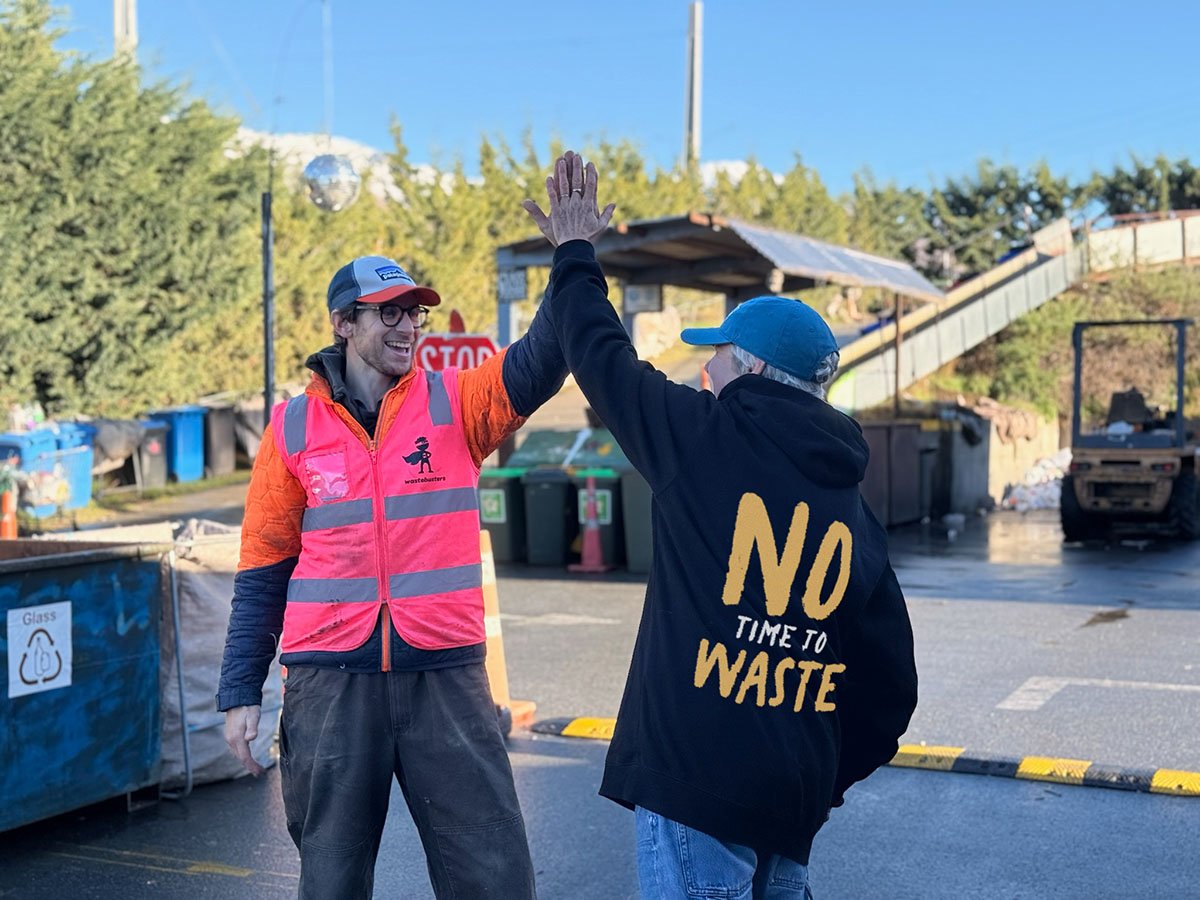
Zero Waste Aotearoa members have led the way for 30 years. Our model shows it’s possible to use simple tools and systems to divert 70%+ of the material flowing into local transfer stations. These organisations are driven by the zero waste kaupapa and are embedded in their local communities. They create good jobs and feed money into their local economies.
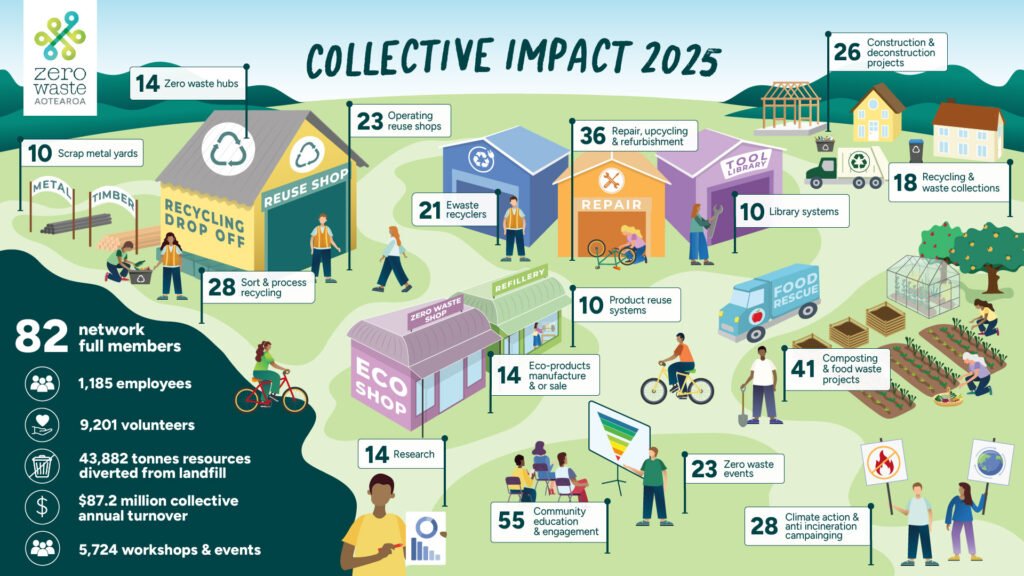
Zero Waste Hubs or community resource recovery centres:
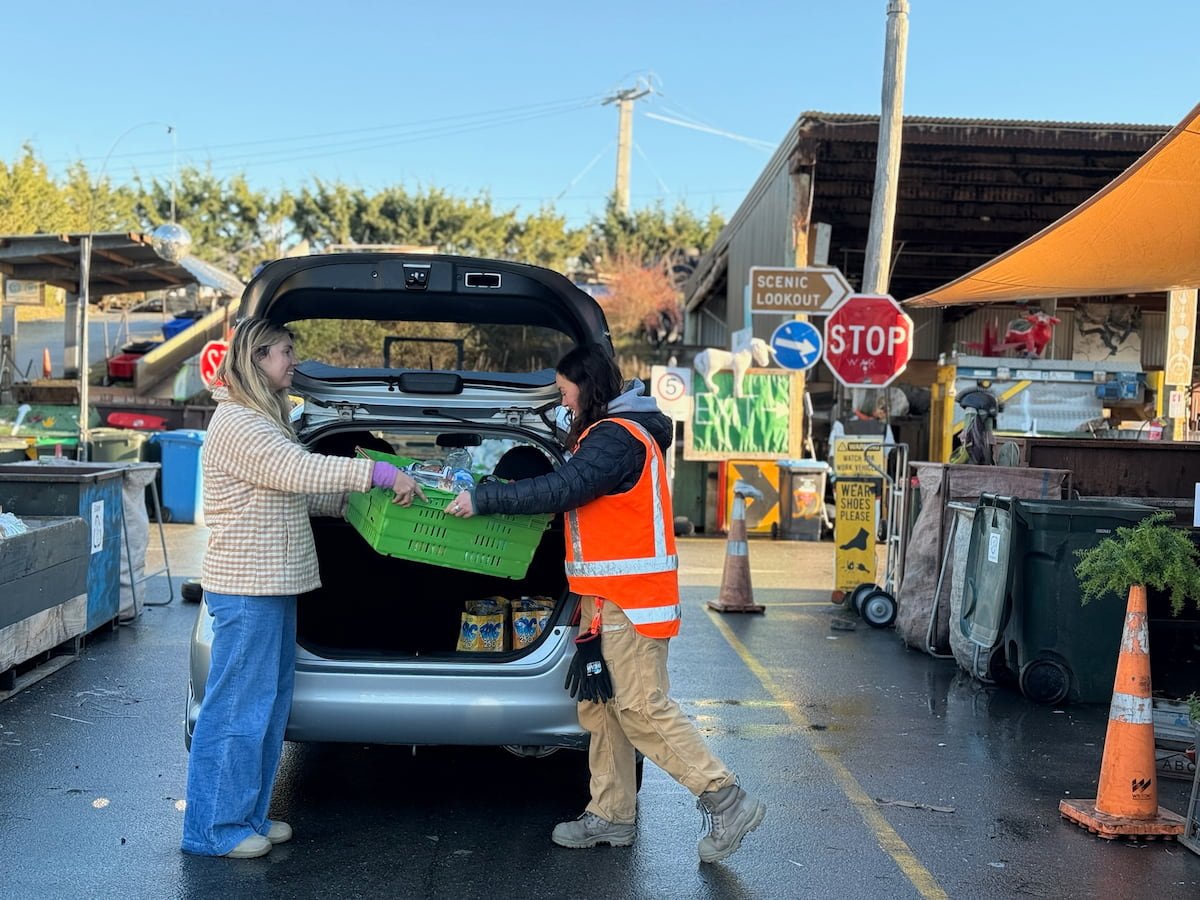
Deliver services communities want like reuse, repair, composting and recycling. They’re ideal drop off points for bottles, cans and cartons under the container return scheme and future product stewardship schemes like electronic waste.
Combine engagement and education with service delivery. That means the households and businesses they work with come on a journey up the waste hierarchy, so that reducing, reusing, recycling and composting become the norm.
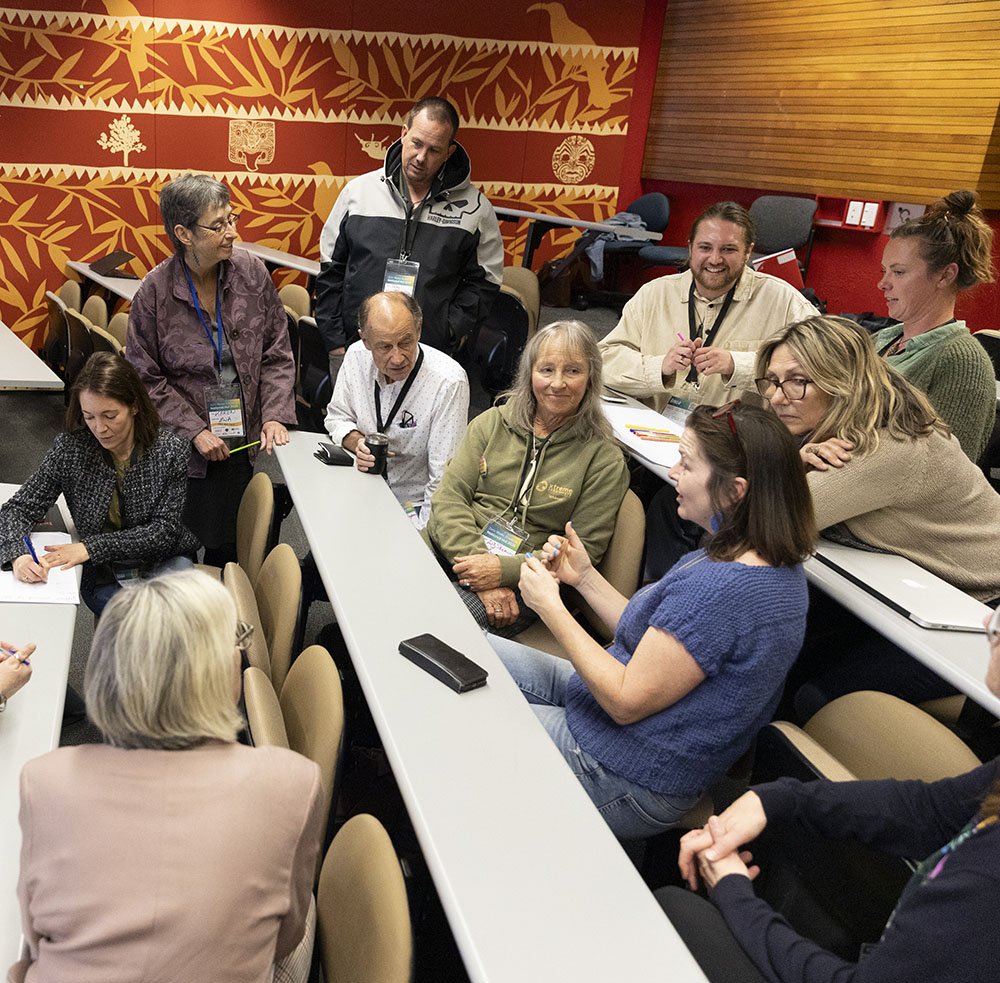
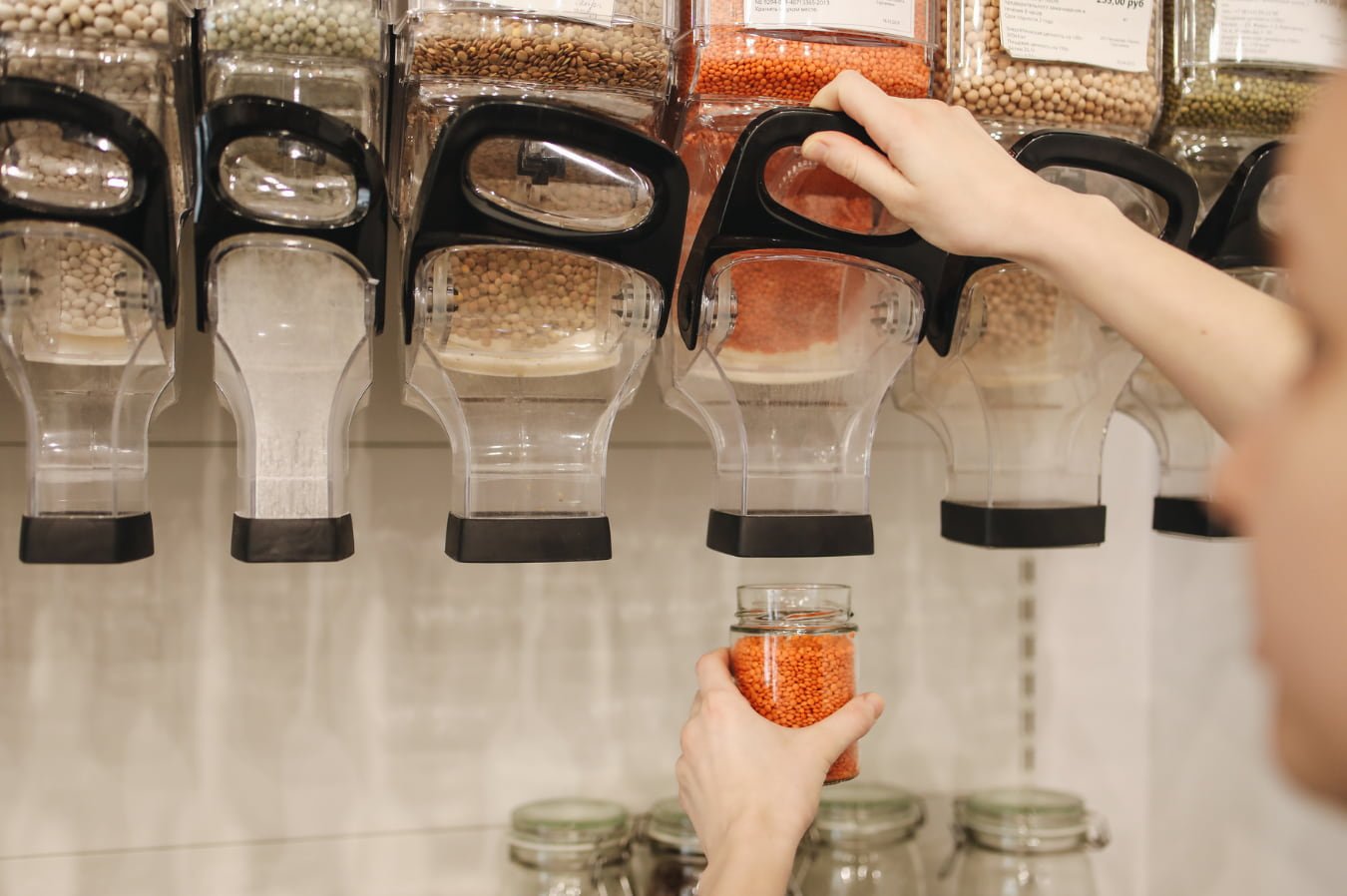
Collaborate through national and regional networks to share knowledge, skills and experience. Collective work supports the shift away from single use towards reuse, durability, ‘Right to repair’ and sharing models.