So long as the scheme is convenient for everyone across Aotearoa to drop off their empties and claim their 20c deposit, when they do their grocery shop or take their recycling to a depot, the scheme won’t add to cost pressures on families.
The report makes it clear the Scheme would transfer the cost of recycling to the manufacturers and importers that profit from selling drinks in single-use packaging, and away from ratepayers, who currently all fund their Councils to run recycling systems and clean up litter, regardless of how many drinks they buy.
The Scheme would be self-funding. It would reduce the growing cost burden on our overstretched councils by at least $50 million every year.
Given these clear, economic insights, Zero Waste Aotearoa is calling on the next government to commit to setting up a container return scheme as soon as possible and give themselves and kiwis a much needed and popular ‘win’ in an election year.
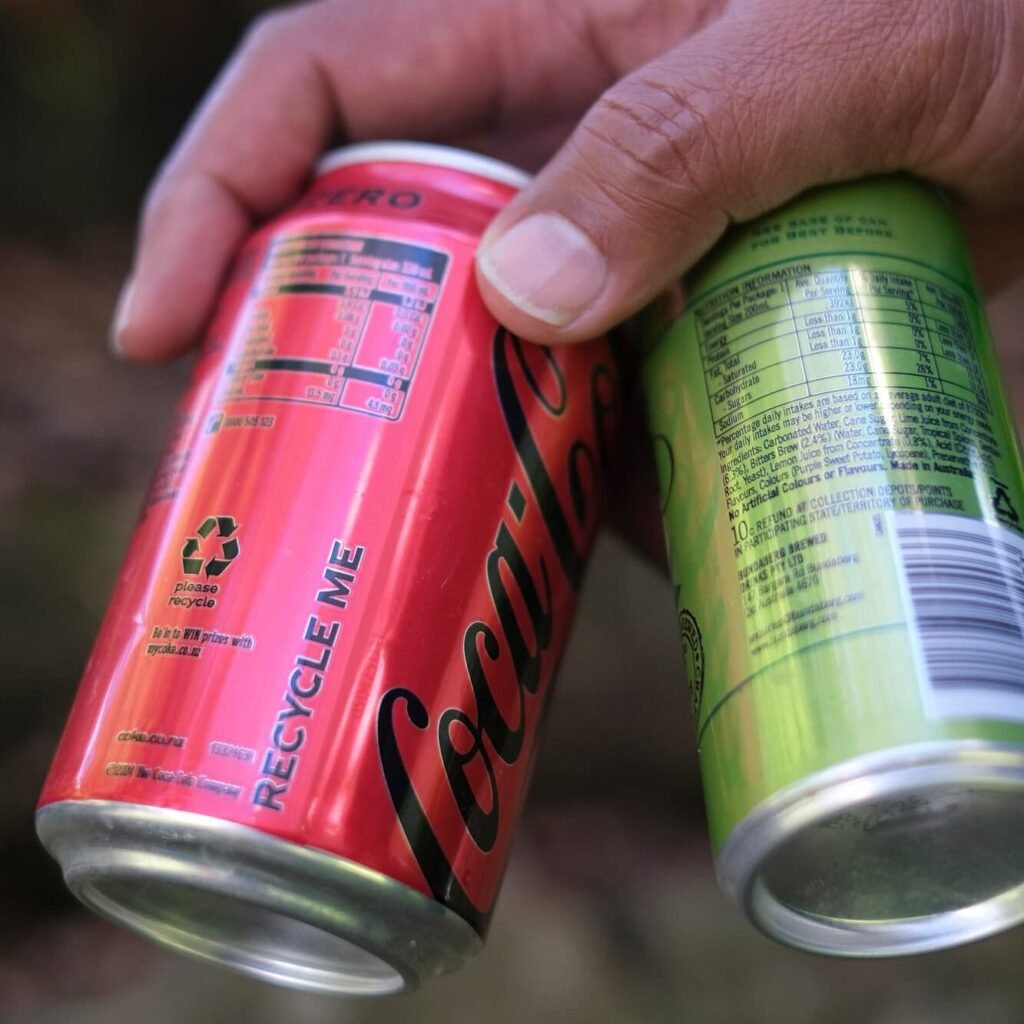
A container return scheme is a gamechanger
New Zealanders want to be able to reuse or recycle the packaging they buy. Kantar Better Futures 2026 survey shows people are committed to taking action to manage waste (70%) and use circular systems (40%).
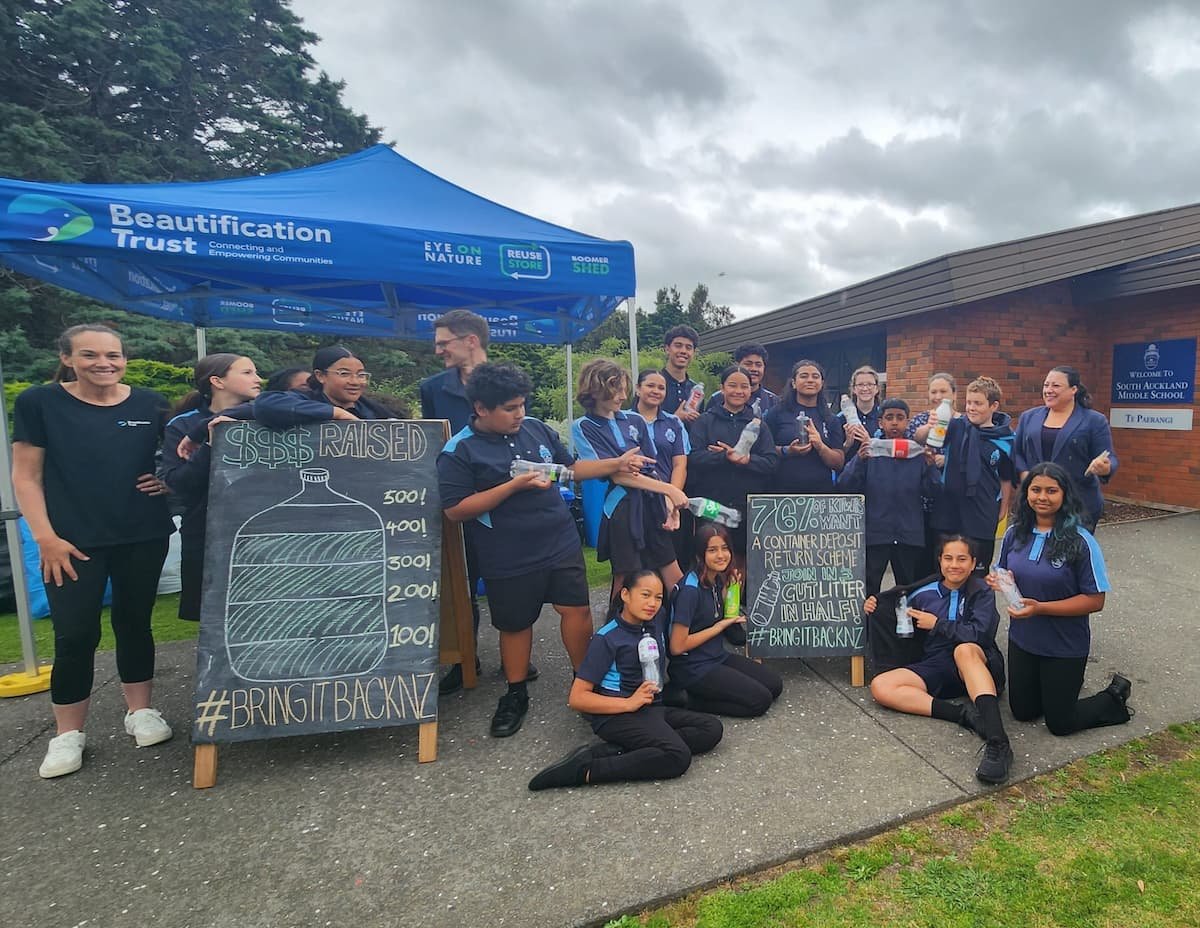
Less than half of the 2.6 billion drink bottles, cans and cartons that go onto the market end up being recycled here in Aotearoa. We could turn that around by introducing a deposit return scheme for empty drink containers to double our recycling rate from 45% to 90% and halve litter.
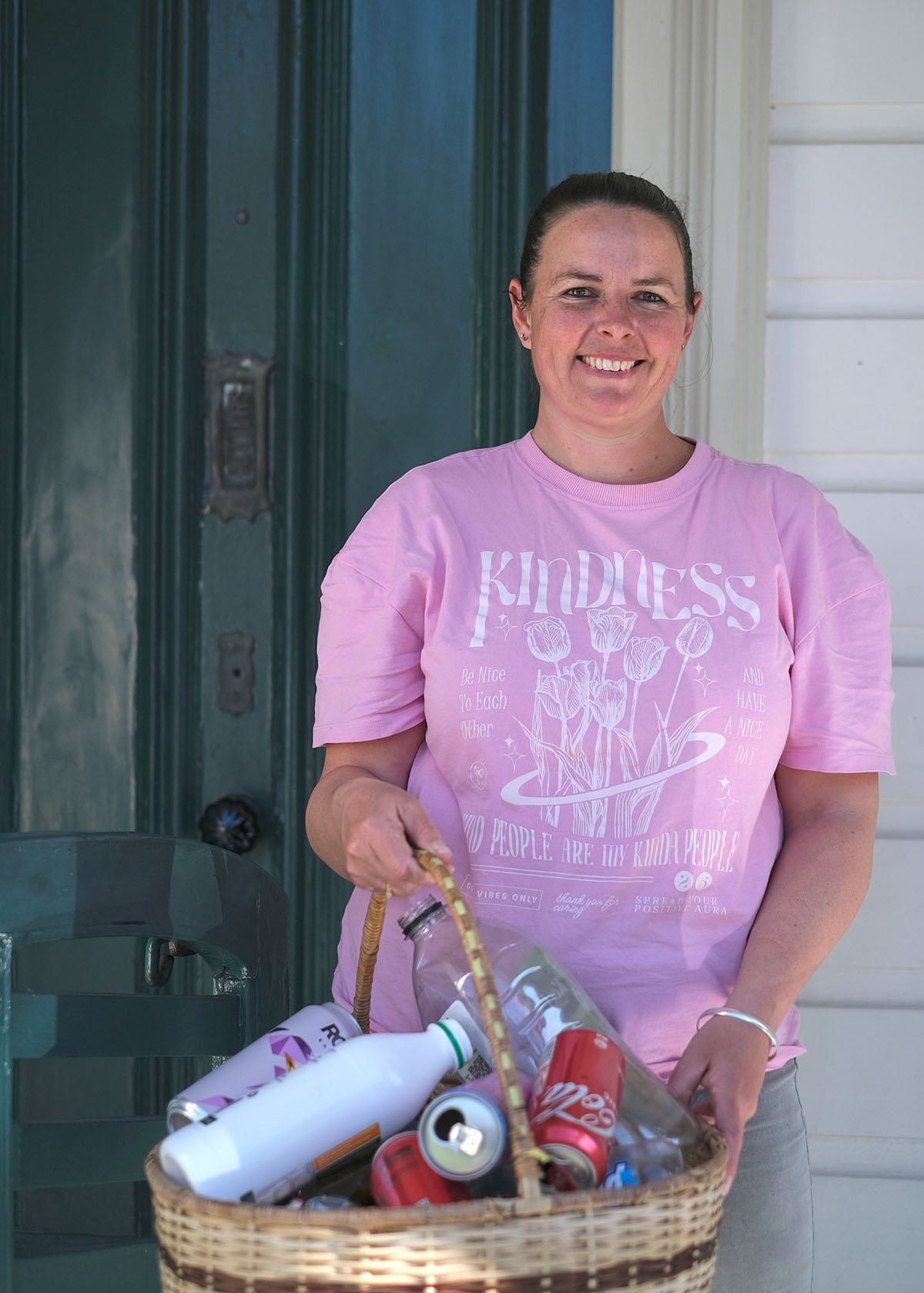
The big idea in a deposit return scheme is that consumers pay a deposit when they buy a drink in a bottle, can or carton. This gives them an incentive to return their empties and get their cash back.
The deposit has to be high enough to make it worthwhile. Some countries have high deposits. For example, the United Kingdom scheme will start up in 2027. It has a deposit of 46c (NZD). The sweet spot for New Zealand is 20c.
Government, business and brands are making excuses
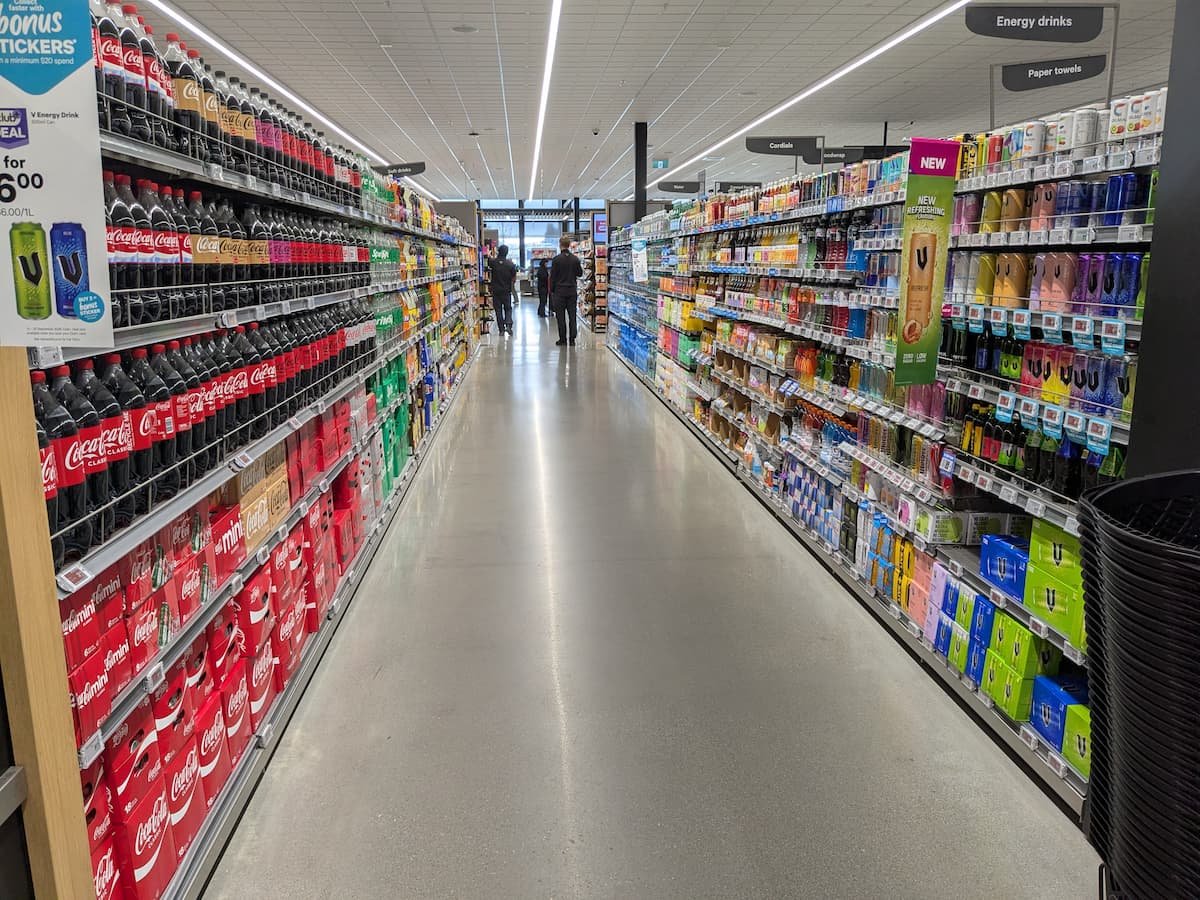
Drinks are big business. Whole aisles are dedicated to them in the supermarket. The companies that put them on the shelves are making big money. Rate payers and councils are subsidising their brands at the moment by spending a lot of money on kerbside recycling systems and litter clean ups.
Photo of drinks in the supermarket aisle
87% of New Zealanders think businesses should take responsibility for their environmental and social impacts. People are willing to do their bit. They’re looking to the government, businesses, brands to step up and take more responsibility for getting the laws and systems we need to make reuse and recycling easier and more effective in place.
It’s reasonable to expect our government would pass the laws we need to make companies responsible for helping to set up, run and pay for a scheme here in New Zealand.
We’re all getting a bit sick of hearing the excuses they come up with for not making progress on this.
Report shows the positive impact of a Container Return Scheme
We commissioned this economic analysis of the likely impact of a Container Return Scheme because in the past, unsubstantiated fears have been raised about a scheme’s potential impact on the cost of living.
The good news is those fears are unfounded. There’s no evidence of any substance to the cost of living claims.
Being able to easily get your 20c deposit back is the most important way to make sure the scheme doesn’t add to cost pressures on families. The New Zealand scheme has been designed to do that by including convenient drop off points at local supermarkets (return-to-retail) as well as at local depots and recycling centres.
That means, whether you have one empty container or a whole trailer load from an event, a small business or a fundraiser, the scheme is fair and it’s easy for everyone to get their deposits back.
Such a scheme will also be a win for jobs for community level economic wellbeing and for sports clubs and charitable groups that can claim deposits on bottles, cans and cartons for fundraising.
Key Takeaways from this Report
- The economic, social and environmental case for introducing a Container Return Scheme (CRS) in New Zealand still holds, despite the current cost-of-living pressures faced by households.
- Public support for a Container Return Scheme remains high – according to an Ipsos Survey conducted in August 2025, 76% of respondents support the introduction of a scheme.
- The highest levels of support were recorded amongst lower-income groups (up to $50,000 in annual household income).
- Even at a relatively conservative Benefit-Cost Ratio (BCR), the direct benefits to households are likely to exceed the cost of household participation.
- International research finds no empirical evidence to support claims that a Container Return Scheme will increase beverage prices and/or reduce beverage sales.
- In the current economic climate, price increases of beverage products are likely to be driven primarily by price/cost increases in the contents of containers, rather than by any increases in the costs of the containers themselves.
- The ability to easily and conveniently claim deposits is the critical factor in avoiding cost-of-living impacts arising from the implementation of the scheme. So long as the scheme is convenient for everyone across the country to drop off their empties and claim their 20c deposit, when they do their grocery shop or take their recycling to a depot, the scheme won’t add to cost pressures on families.
A container return scheme would be a significant win for New Zealand. The case is as strong as ever, with a positive Cost Benefit Analysis and households, charities, clubs and Councils all set to win, as they do in similar schemes overseas.
Notes
Read the detail in the report here
https://zerowaste.co.nz/assets/Cost-of-living-claims-CRS-Zero-Waste-Aotearoa-March-2026.pdf